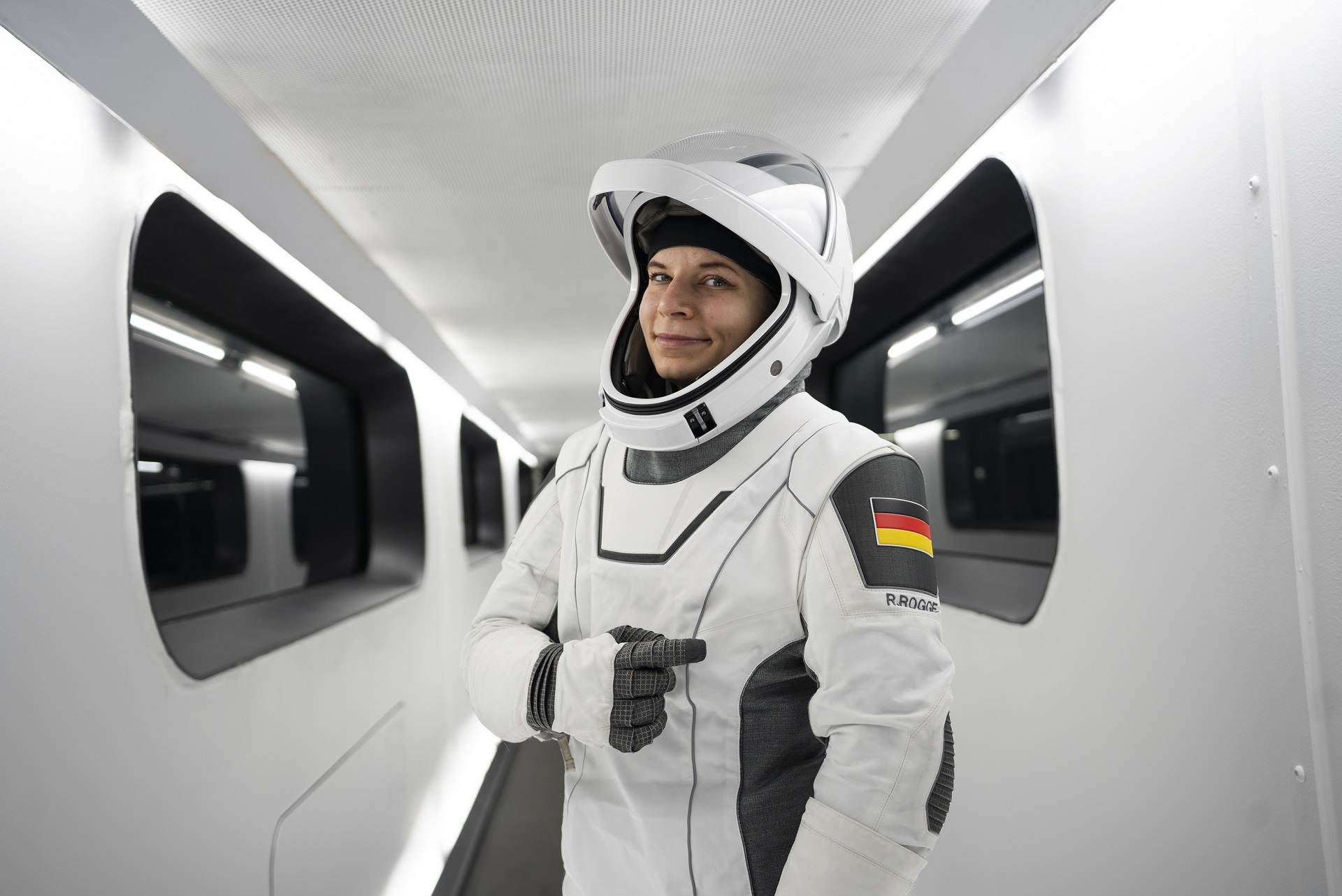
As the first manned flight to orbit both poles of the Earth, the mission has an international crew on board, including Rabea Rogge, an electrical engineer and polar researcher from Berlin, who will be the first German astronaut in space.
Each member of the civilian crew from different countries will contribute their unique expertise to the mission's goals of gaining scientific knowledge and improving human spaceflight capabilities.
The LMU Clinical Center is leading the SpaceXposome study to investigate stress resilience in space. In collaboration with the Portuguese University of Lusófona, SpaceXposome aims to identify biomarkers of stress and improve the well-being of astronauts, with clinical applications for the management of stress-related diseases.
These efforts are critical to preparing astronauts for future manned space missions and underpin Fram2's mission to push the boundaries of human exploration.
At LMU University Hospital, Prof. Dr. Alexander Choukér and PD Dr. Judith-Irina Buchheim have been researching the relationship between stress and the immune system for many years. There are certain parallels between astronauts in space and intensive care patients in a hospital. A selection of projects is presented here: Stress and the immune system in extreme environments | Department of Anaesthesiology