News | 19/02/2026
research

Pulmonary fibrosis: Ion channel regulates tissue remodeling

An international research team led by LMU has identified a previously unknown mechanism that may contribute to the development of pulmonary fibrosis. The study focuses on the lysosomal ion channel TRPML1. If this channel is missing, an important cellular process is thrown out of balance: the controlled release of certain enzymes is disrupted. These enzymes normally take on the task of breaking down structural proteins such as collagen and elastin and thus maintaining the stability and functionality of the tissue.
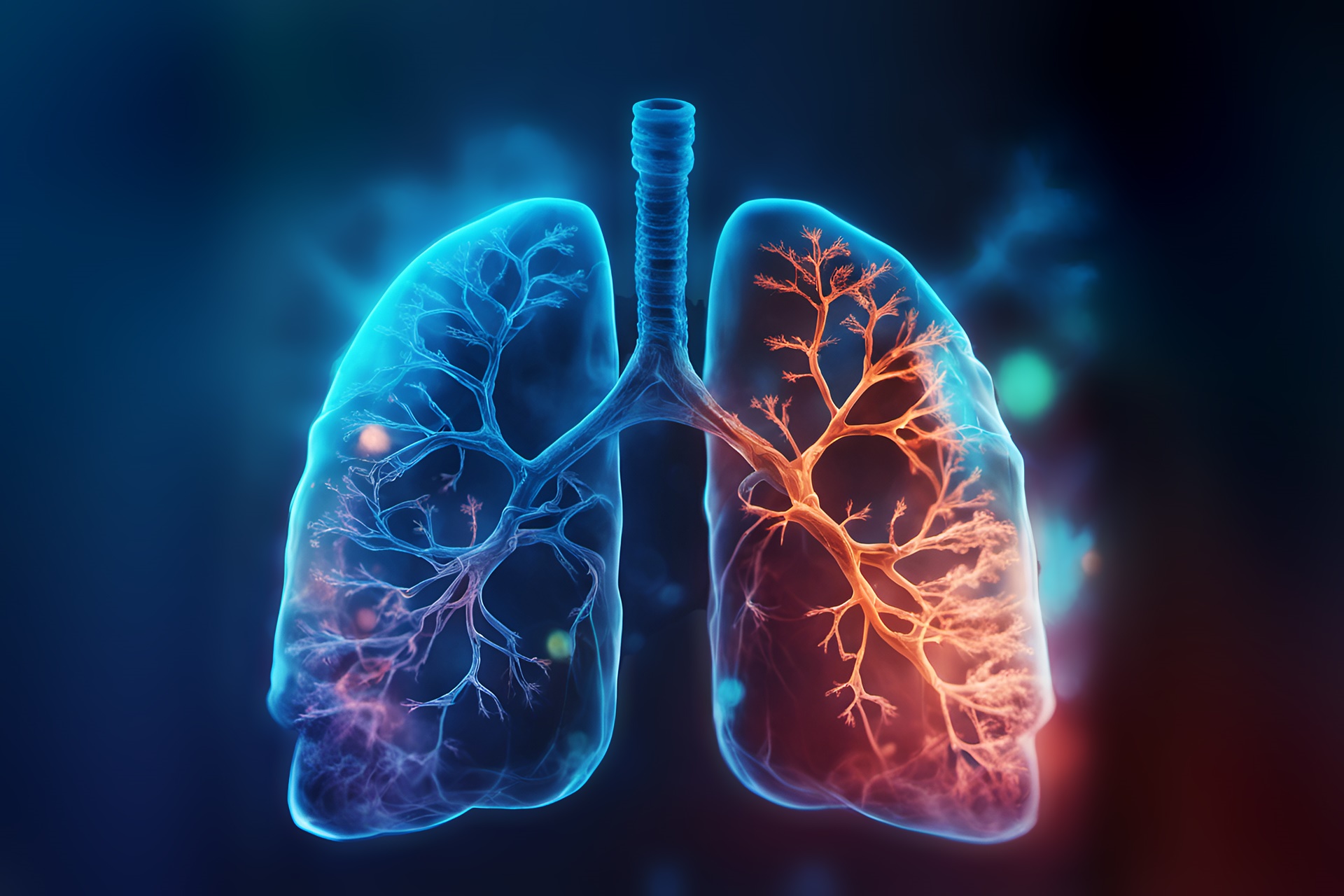
Symbolic image

If this breakdown does not occur, collagen and elastin accumulate in the lung tissue. This results in structural and functional changes that closely resemble the clinical picture of pulmonary fibrosis. The study thus opens up a new molecular starting point for anti-fibrotic therapies - a field with considerable medical need. The results were published in the EMBO Journal.

When the lungs scar

Background: Pulmonary fibrosis is a serious, as yet incurable disease. The lung tissue thickens and scars, elasticity decreases and oxygen uptake becomes increasingly poor. It is characterized by an excessive deposition of extracellular matrix, especially collagen and elastin. These structural proteins are normally degraded in a controlled manner by matrix metalloproteinases (MMPs). If this balance is upset, the tissue can become increasingly hard.

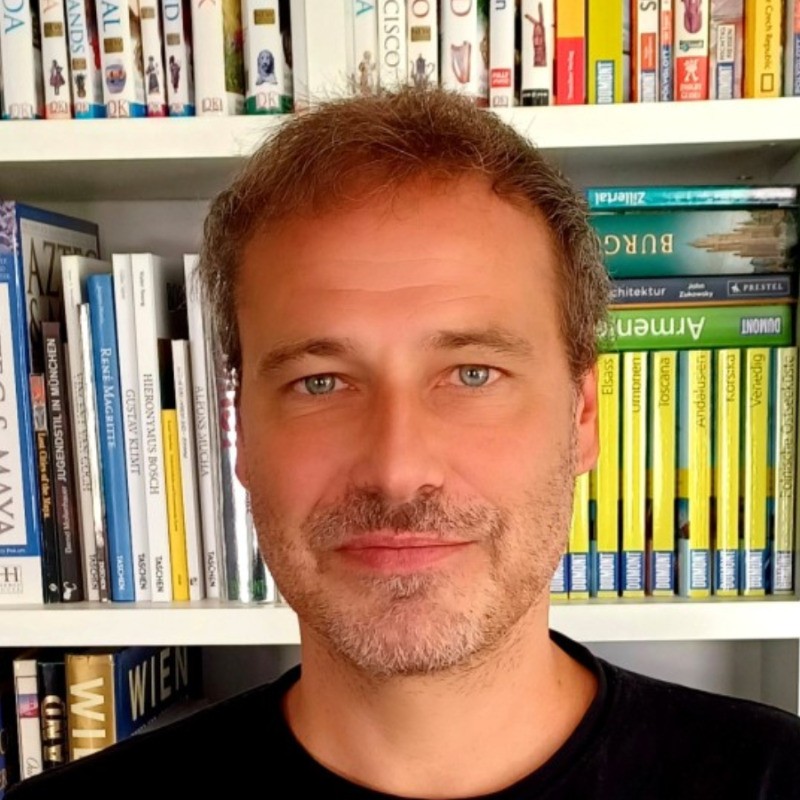
Professor Christian Michael Grimm from the Walther Straub Institute of Pharmacology and Toxicology

The team led by Professor Christian Michael Grimm from the Walther Straub Institute of Pharmacology and Toxicology at LMU has studied transgenic mice without the TRPML1 ion channel. This channel is located in lysosomes, i.e. in the organelles of cells. Among other things, lysosomes are involved in the recycling and controlled release of enzymes.

"We were able to show for the first time that TRPML1 controls the release of several antifibrotic matrix metalloproteinases," says Grimm. "If this channel is missing, the enzymes do not reach the extracellular space in sufficient quantities - the tissue hardens."

Fibrosis-like phenotype with measurable loss of function

The functional effects of the missing channel were clear: the lungs of the knockout mice showed increased stiffness and reduced distensibility, while histological staining revealed increased deposition of collagen and elastin in the lung tissue.

It is noteworthy that the observed phenotype corresponds in many parameters to the established bleomycin model of pulmonary fibrosis, in which administration of the cytostatic agent bleomycin leads to inflammation-triggered fibrotic scarring of the lung. Additional bleomycin treatment did not further worsen the condition of the TRPML1-deficient animals in the current experiment. Apparently, the fibrotic process was already at its maximum.

"The changes we see are functionally and histologically almost indistinguishable from the classic experimental fibrosis model," says Grimm. "This underlines the central role of TRPML1 in lung tissue remodeling."

Outlook: A new therapeutic approach?

In experiments, the team showed that the targeted pharmacological activation of TRPML1 significantly increases the release of the affected matrix metalloproteinases, but only in cells with an intact channel and not in cells that lack this channel.

In addition, the researchers point to another important finding: mutations in the TRPML1 gene cause the rare lysosomal storage disease mucolipidosis type IV (MLIV). The current results indicate that patients may carry a previously underestimated risk of fibrotic changes in the lungs. "Our findings not only open up new perspectives for the treatment of pulmonary fibrosis, but also shed new light on the systemic effects of lysosomal diseases," says Grimm.

Publication

Eva-Maria Weiden et al. TRPML1 suppresses pulmonary fibrosis by limiting collagen and elastin deposition. The EMBO Journal 2026. https://doi. org/10.1038/s44318-026-00712-4

Contact us

Prof. Dr. rer. nat. Dr. phil. Christian Michael Grimm

Professorship of Molecular Pharmacology, Walther Straub Institute of Pharmacology and Toxicology

Originally translated with DeepL