Cancer treatment must not be a question of where you live
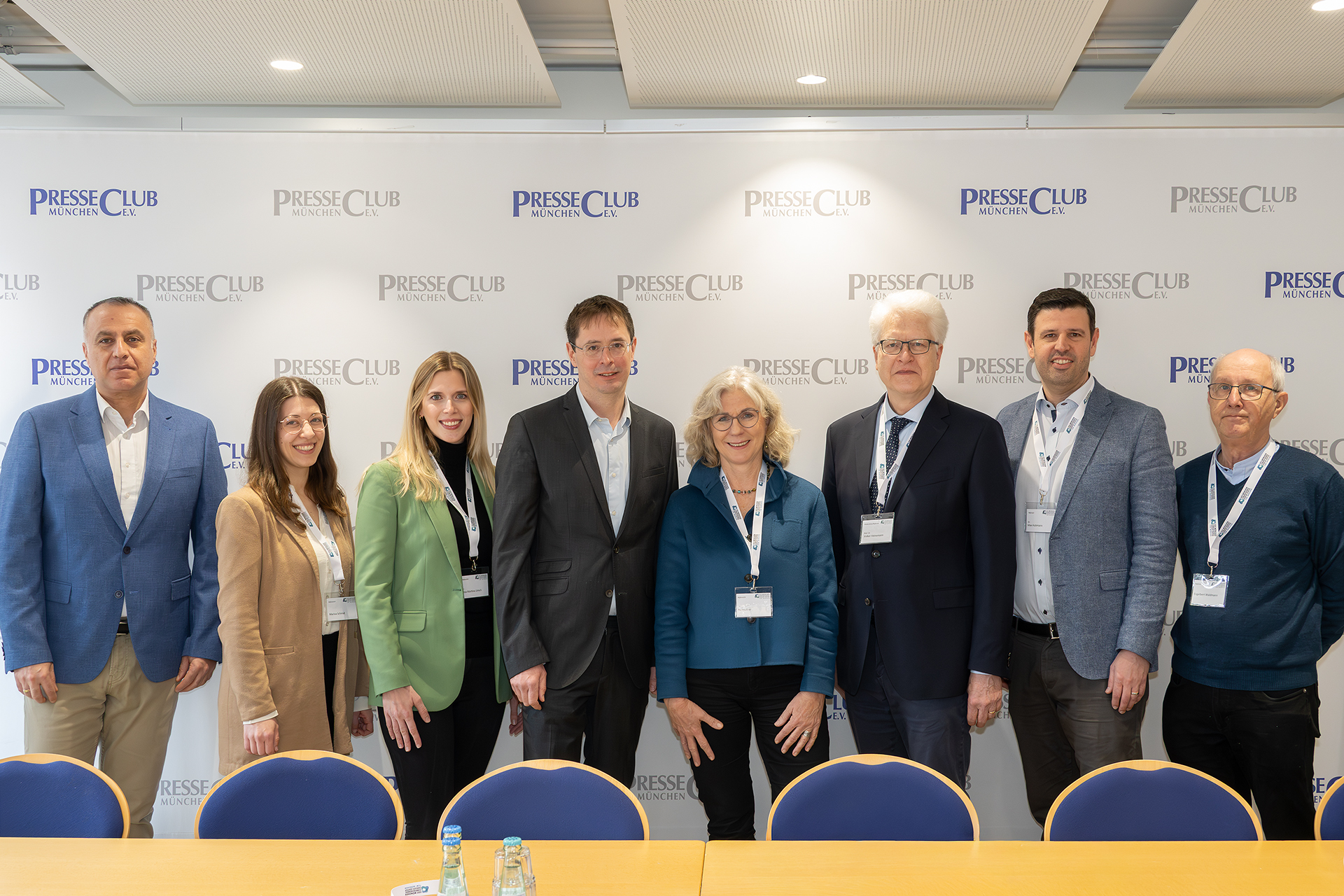
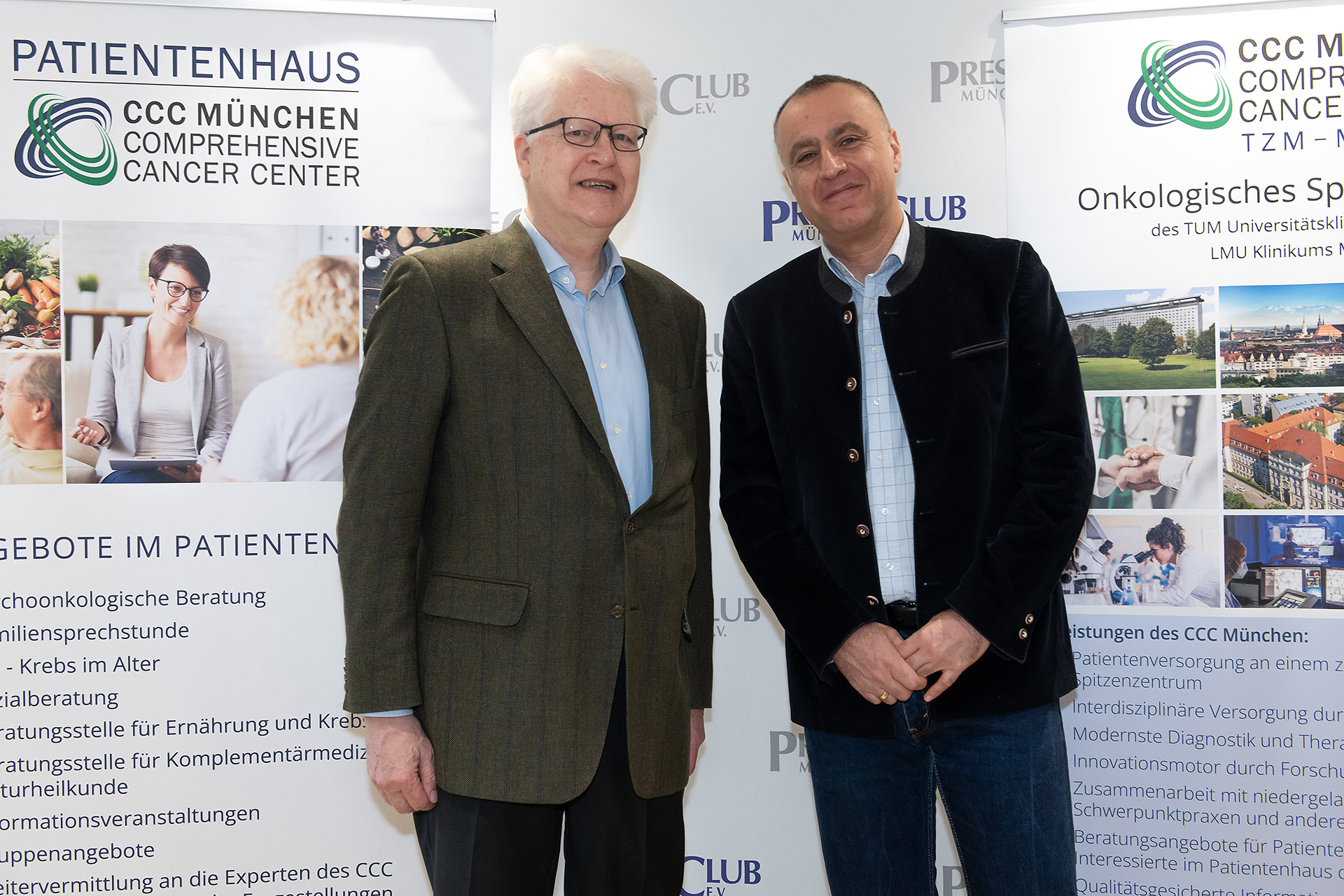
"Modern cancer medicine must not end at the city limits of metropolitan areas," demanded Prof. Dr. med. Volker Heinemann, Director of the CCC MünchenLMU and President of the Bavarian Cancer Society. "Our goal is intelligent networking." Prof. Dr. med. Hana Algül, Director of the CCC MünchenTUM, described what cooperation between university cancer centers and local clinics and oncologists in private practice can look like: "Highly complex interventions and genetic analyses can be carried out in specialized centers such as the CCC München. However, daily treatment - from chemotherapy to psychotherapy - takes place close to home in familiar surroundings. "Digital bridges such as the Molecular Tumor Board allow us to bring university expertise directly to rural practices," said Algül. "In this way, we ensure cutting-edge medicine in rural areas without burdening patients with long journeys."
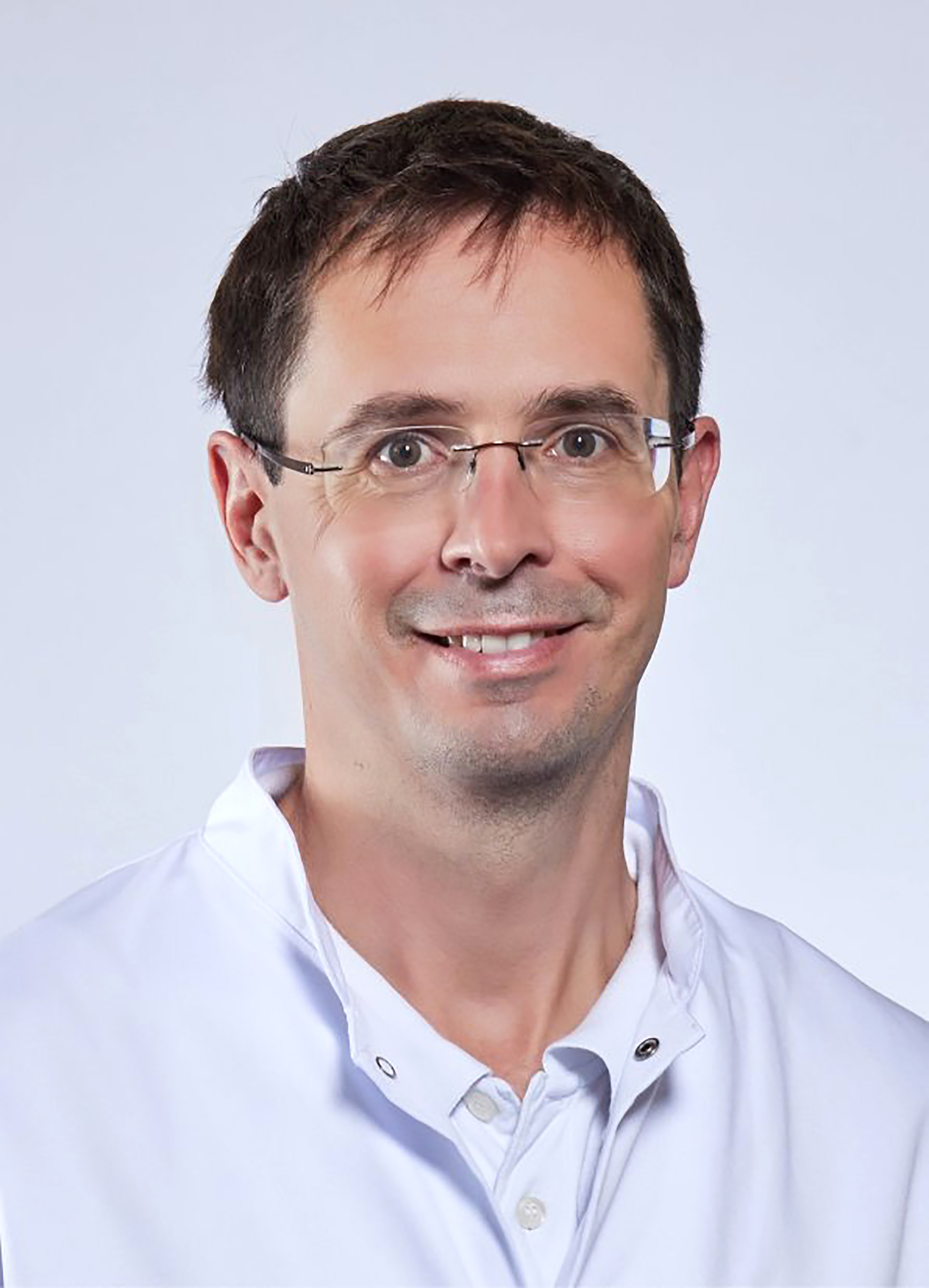
The close cooperation between certified clinics and colleagues in private practice enables the vast majority of patients in rural areas to receive guideline-based oncological care. With treatment close to home, distances are shorter, relatives can provide support more quickly in routine care and emergencies and care is more personal. Dr. Till Seiler, Head of Oncology, Haematology and Palliative Medicine at Garmisch-Partenkirchen Hospital, is convinced of this: "Cutting-edge medicine without long distances: by intelligently networking regional centers and university hospitals, we are securing the future of oncology in rural areas."
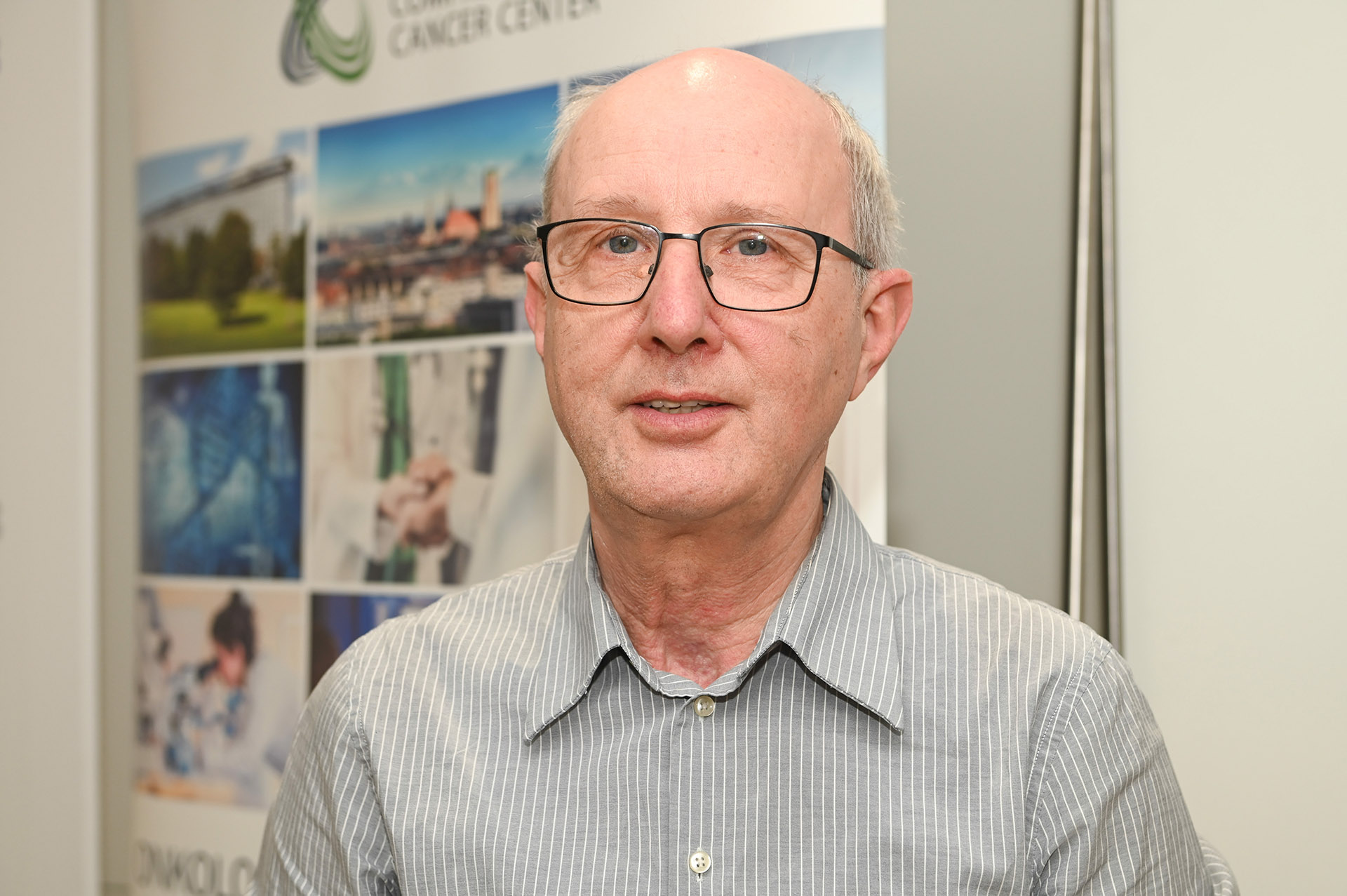
Engelbert Waldmann also pleaded for close networking between top oncology centers and care close to home. He was diagnosed with thyroid cancer and now runs a self-help group for people with cancer in Neuburg an der Donau. He sees the long distances as a major challenge for cancer patients in rural areas: "Especially when patients are older or very ill, they cannot travel long distances, partly because there is a lack of public transport in rural areas. "A patient should spend their energy on fighting cancer, not on getting to treatment," said Waldmann. "We need oncological care that protects local personal relationships as a valuable resource and at the same time guarantees access to high-end medicine through digital and professional networking."
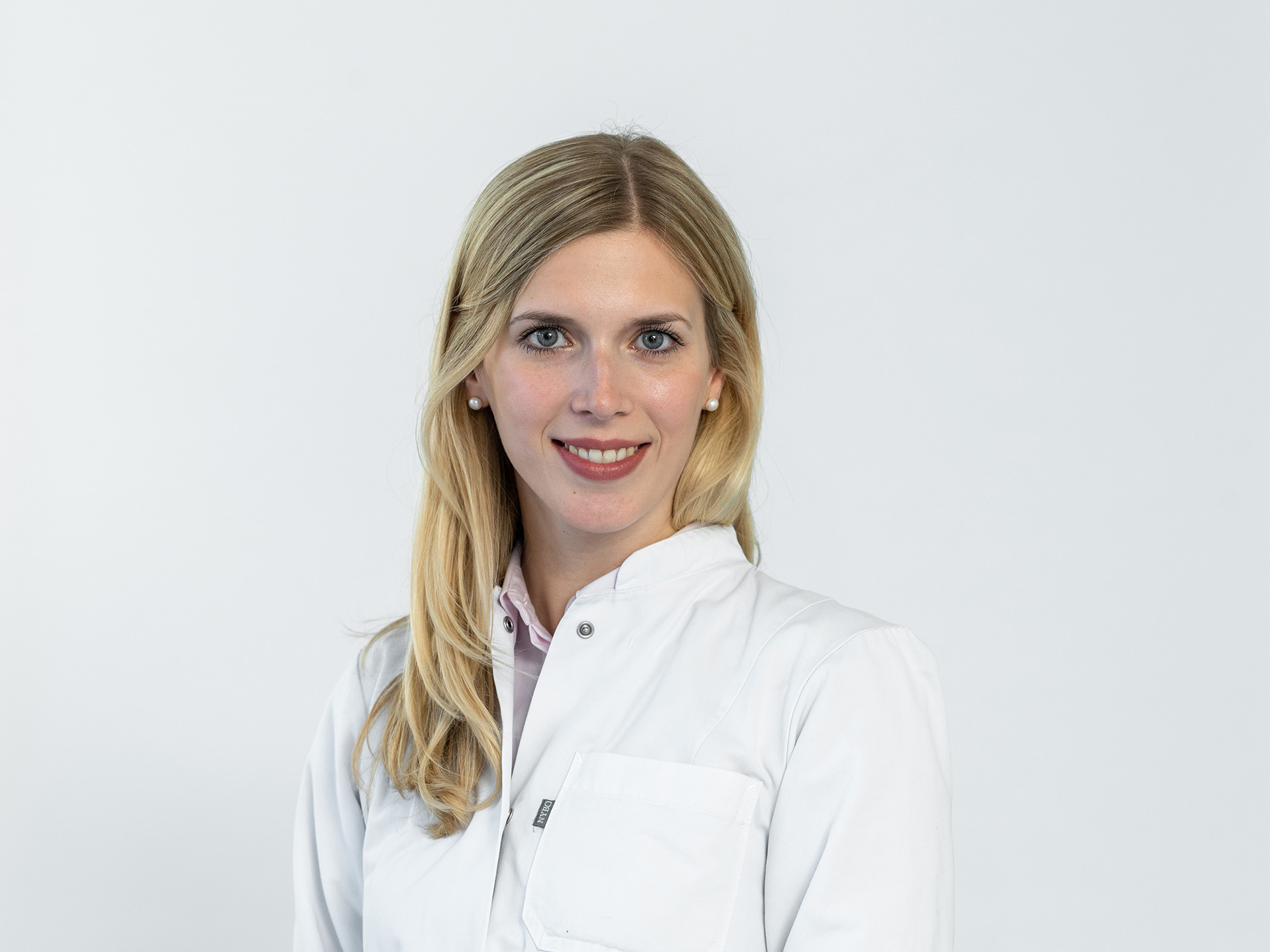
A service that combines university expertise with local care was presented by Dr. med. Alisa Martina Lörsch, spokesperson of the Molecular Tumor Board at TUM Klinikum Rechts der Isar, and Prof. Dr. med. Volker Heinemann: "The Molecular Tumor Board at the CCC Munich combines state-of-the-art molecular genetic diagnostics with top interdisciplinary expertise - digitally and independent of location," said Lörsch. "In this way, we also give patients from rural regions access to personalized therapies and innovative studies without giving up their local care."
In digital tumor boards such as the Molecular Tumor Board at the CCC Munich, doctors from smaller clinics or rural practices can discuss patient cases together with an interdisciplinary team of experts from both Munich university hospitals in an online conference. In a molecular tumour board, experts from various disciplines jointly discuss the best possible therapy, especially for patients with rare or advanced diseases - with the aim of finding personalized therapies based on molecular genetic examinations. They also check whether patients are eligible for clinical trials and can therefore benefit from new therapies earlier. A service that also benefits patients in rural areas: In the meantime, 30 percent of the patient cases discussed in the Molecular Tumor Board come from externally referring doctors.
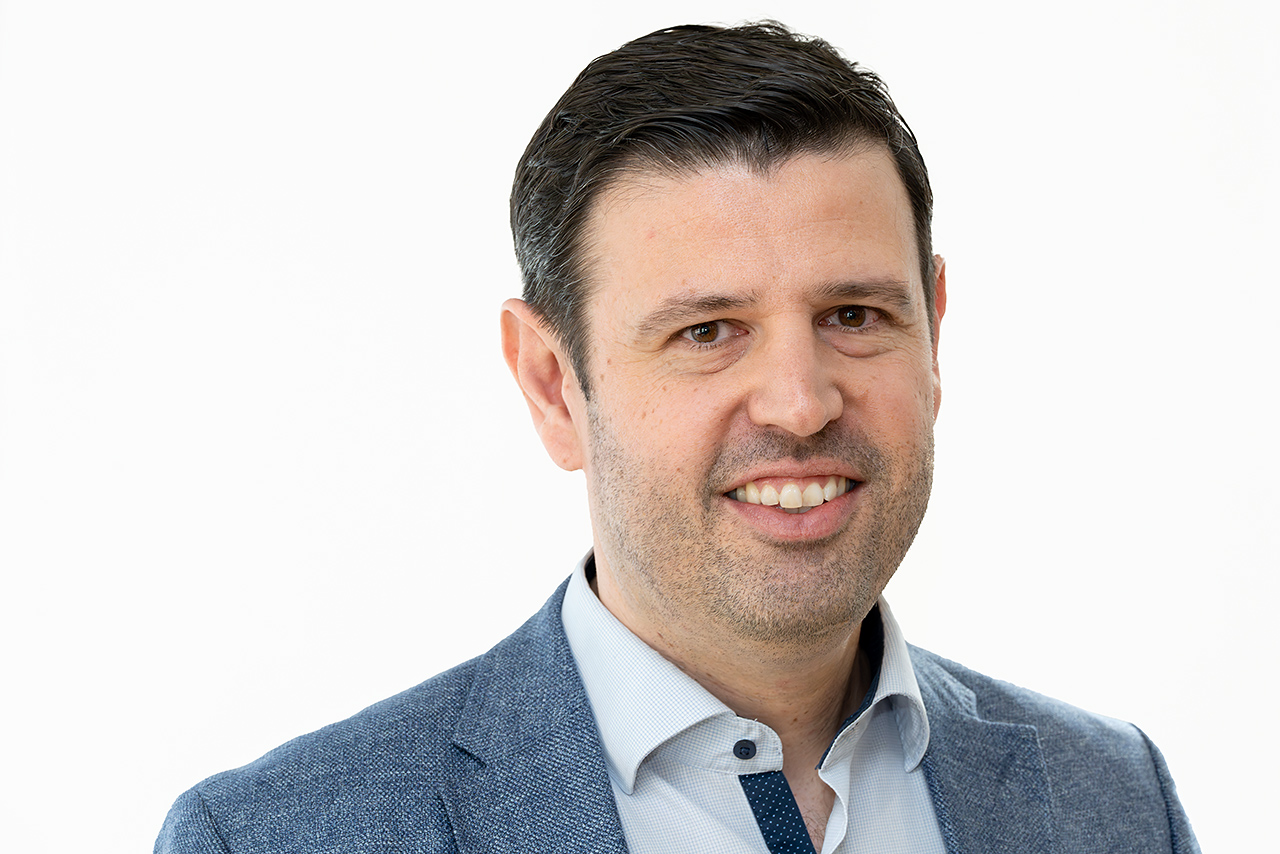
Dr. Max Hubmann, who runs an oncology practice in Herrsching, underlined the importance of oncologists in private practice: "We offer our patients access to cutting-edge medicine right on their doorstep and personal support that a clinic can rarely provide to the same extent." Patients often consciously opt for the practice close to their home because of the continuous specialist care provided by a fixed contact person, good accessibility, prompt appointments and quick response in the event of acute side effects. Hubmann sees the biggest bottleneck in the economic framework conditions and demands: "In order for this care to continue, we finally need remuneration that reflects the time spent on our patients and solutions to the shortage of specialists."
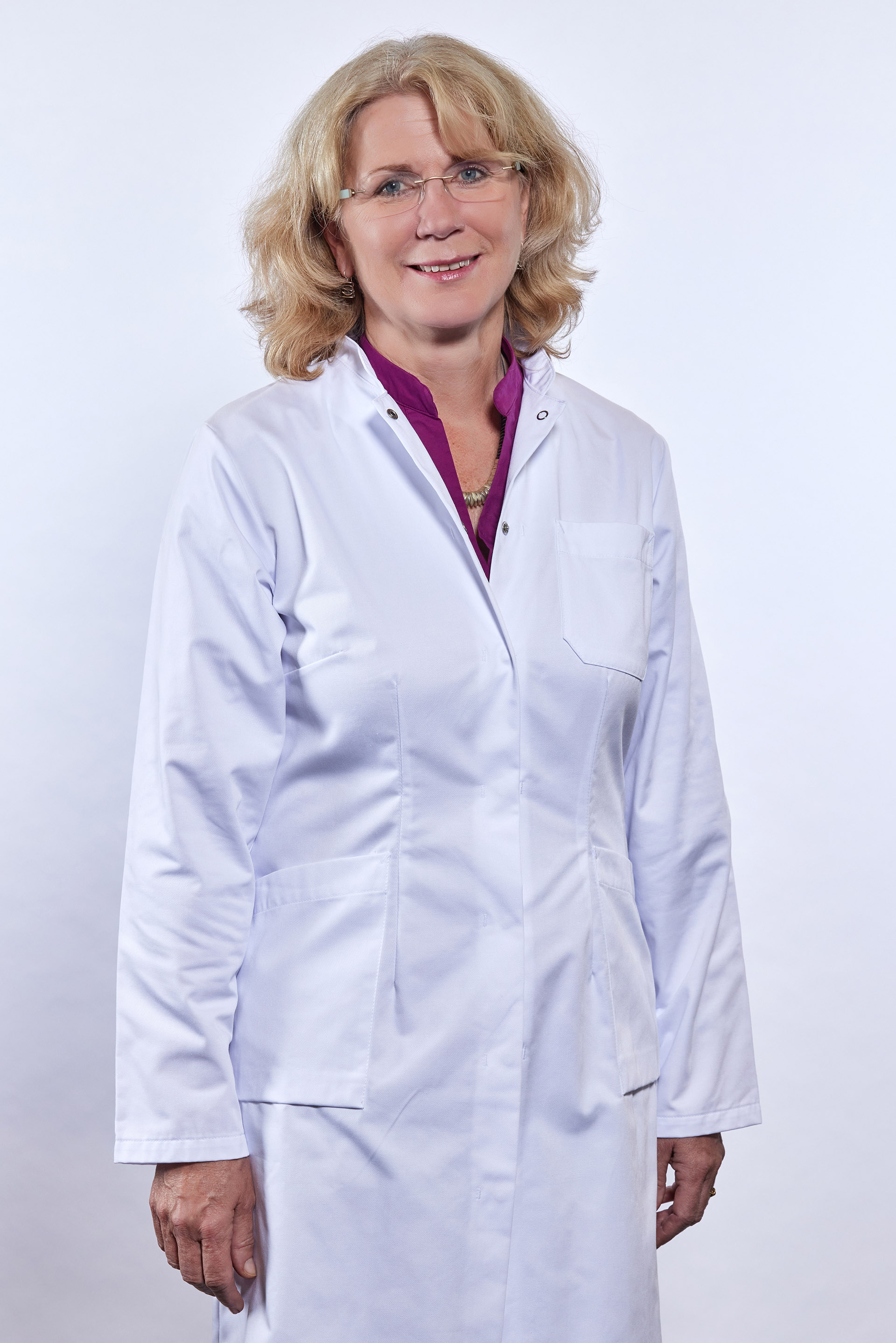
Dr. med. Pia Heußner pointed out the lack of psycho-oncological care in rural areas: "While the medical treatment of cancer patients is often state-of-the-art, there is a dangerous gap in psychological support in rural areas," said the senior consultant in psycho-oncology at the Garmisch-Partenkirchen Clinic. The usual waiting times of four to six months for an appointment with a psycho-oncologist are often longer than the remaining lifetime for people with advanced cancer.
While costs for trips to chemotherapy are financed by health insurance companies, patients have to organize their own way to psychological help. "Between months of waiting times and unfinanced journeys, seriously ill people are left alone with their fears. We urgently need recognition of travel costs and a better distribution of resources so that place of residence and physical weakness do not become criteria for exclusion from psychological help," demanded Heußner.
Many patients feel completely overwhelmed after a cancer diagnosis - and ask themselves: Where should I turn? Are there any support services near me? The CCC Munich has set up a quality-assured online information platform - the cancer information portal - to provide patients and their relatives with guidance. The content is clearly structured according to topics such as "Advice and support", "Young and cancer", "Relatives", "Therapy and aftercare". This means that those affected can quickly and easily find exactly the information that is relevant to their individual situation. "With the cancer information portal, we are giving patients uncomplicated access to quality-assured information - at any time and regardless of where they live," said Marina Schmid, center coordinator and head of the CCC Munich office.