LMU research center ICON opened: Concentrated expertise for medical research transfer
Cardiovascular diseases are the most common cause of death in Germany. Many diseases that affect the heart and its blood vessels also have a metabolic cause. Strategies aimed at preventing or treating diseases such as heart attacks, diabetes or strokes must therefore always take metabolic causes into account.
The newly opened research center "Interfaculty Center for Endocrine and Cardiovascular Disease Network Modelling and Clinical Transfer" (ICON) on the LMU Großhadern/Martinsried campus brings together interdisciplinary science relating to diseases of the cardiovascular system and transfers innovative therapeutic approaches from research to clinical application.
A research concept that is unique in Europe, state-of-the-art technical equipment and work on optimized large animal models offer ideal conditions for practical innovation. ICON is excellently equipped, particularly in terms of imaging techniques, surgical technology and animal husbandry. ICON is the sixth research building at LMU funded by the Federal Government and the Free State of Bavaria since the start of the program in 2007. The total costs of the project, amounting to 63 million euros, are shared by the Federal Government and the Free State of Bavaria, supplemented by co-financing from LMU and LMU Klinikum.
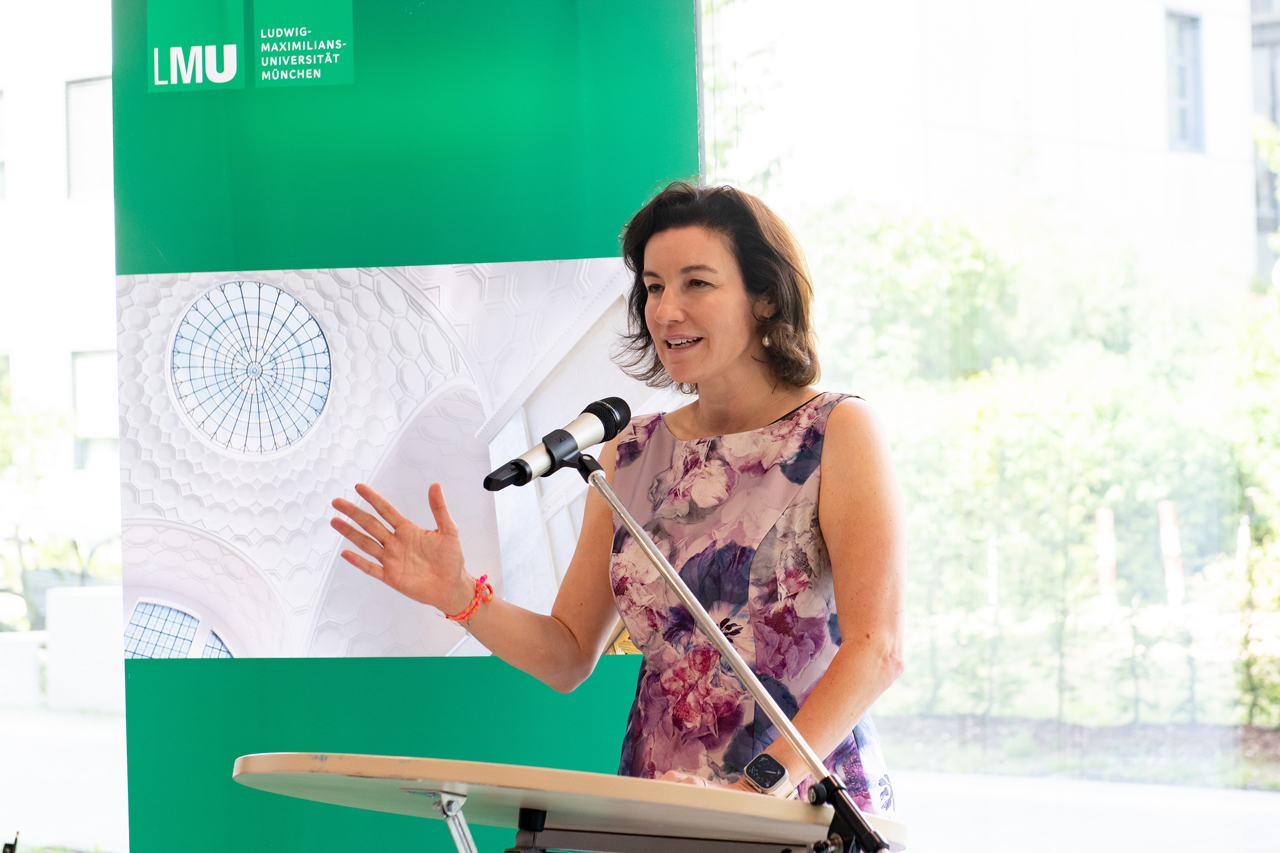
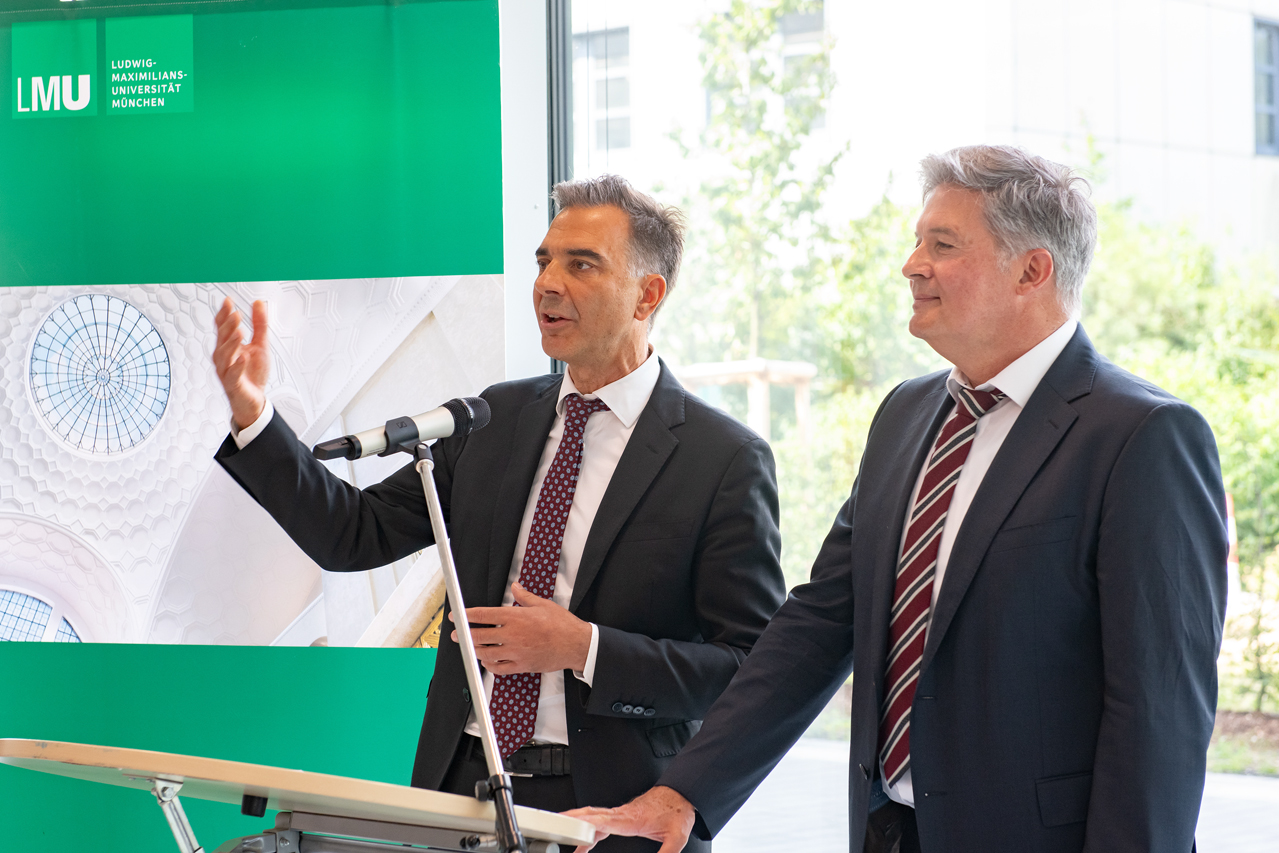
Federal Research Minister Dorothee Bär emphasizes: "Health research is a topic that our institution is very involved in and one that raises great hopes. Cardiovascular diseases are the most common cause of death in Germany. The new ICON center will make an important contribution to bringing innovative therapeutic approaches into practice. We are funding its construction and equipment at LMU and would like to make a long-term contribution to better diagnosis and treatment that will benefit millions of people." The project was successful in a highly competitive application process. The BMFTR is funding the construction of the ICON with a total of 23 million euros.
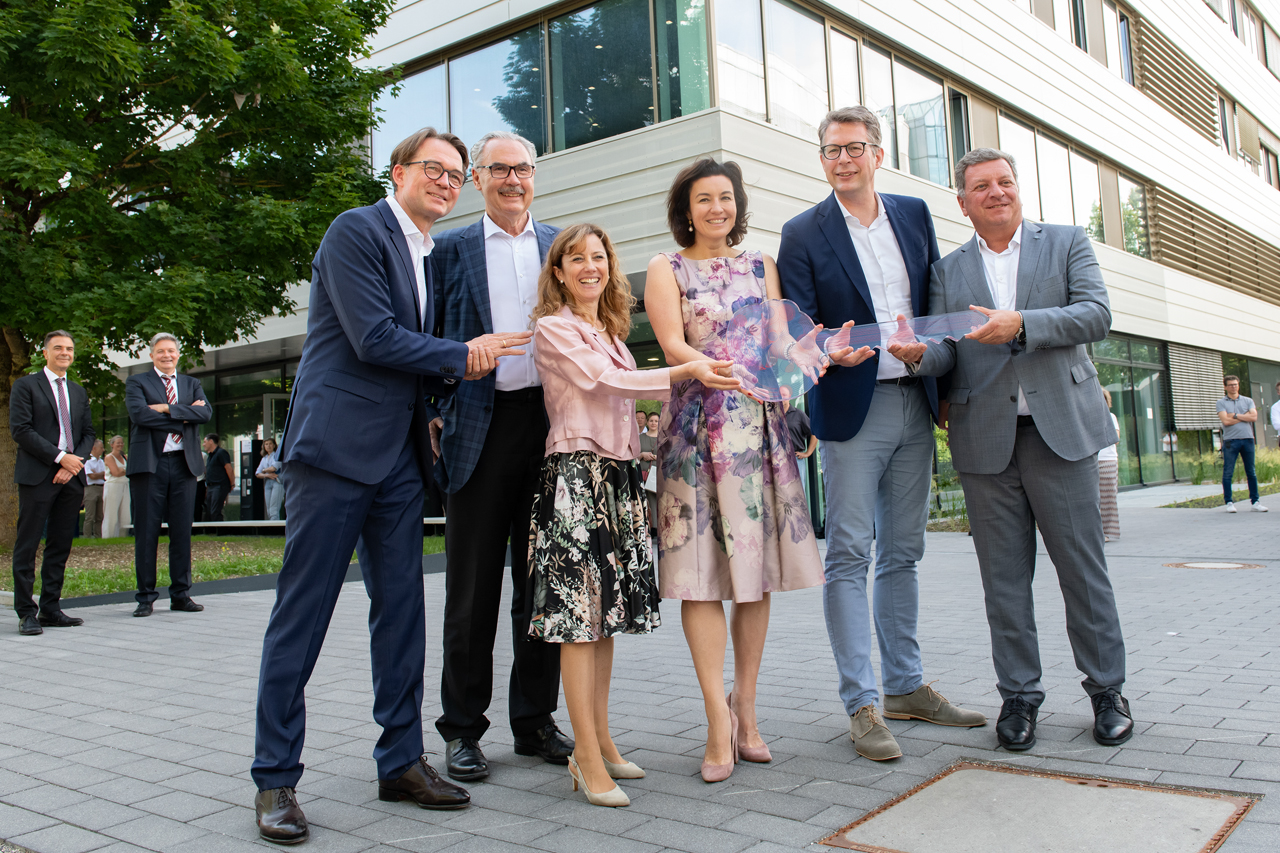
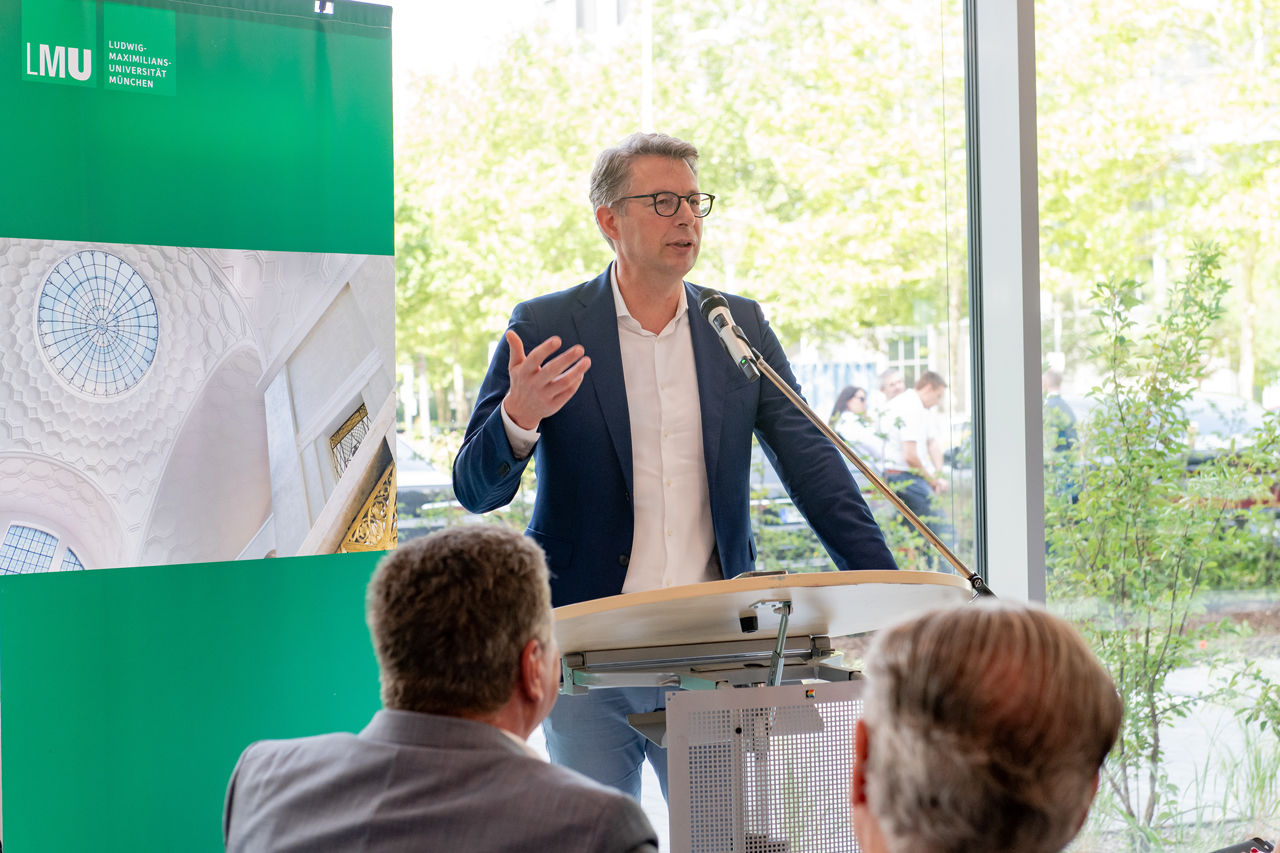
Science Minister Markus Blume: "Three ministers at once: that definitely does justice to the importance of the ICON research building in Großhadern/Martinsried! This is a unique approach in Europe for research into cardiovascular diseases: Veterinary and human medicine, research and application under one roof - and at a unique location in the middle of a 100-hectare medical cluster. Congratulations to the scientists involved for their courage and their fight against the number one widespread disease! The research building is a great success: the Science Council has described the concept as outstanding, the federal government and the Free State of Bavaria are sharing the costs and the building was completed in record time and within budget. One thing is certain: When the Federal Government and the Free State of Bavaria work hand in hand, things happen extra reliably and quickly. Many thanks to Federal Research Minister Dorothee Bär and Construction Minister Christian Bernreiter for the joint handover of the keys and the excellent cooperation!"
Construction Minister Christian Bernreiter: "With the new ICON building, we as the Free State of Bavaria are sending a strong signal for excellent research in medicine! Our Bavarian building administration, specifically the State Building Authority Munich 2, has succeeded in completing the highly complex building with laboratories of the highest security level in just over three years. This is a truly outstanding achievement and another milestone for Bavaria as a center of science!"
"This new research building offers our scientists optimal conditions to exploit the synergies at the Großhadern/Martinsried site and to further interlink basic research and clinical application," emphasizes LMU President Professor Bernd Huber."We are delighted that ICON is now the sixth research building funded by the federal government and the Free State of Bavaria to be inaugurated at LMU. We are extremely grateful for this continuous support - it creates the basis for excellent research."
"Translation is a top priority for us at LMU University Hospital. The ICON makes exactly that possible. Employees from the LMU Clinic and the LMU can test new methods for diagnostics and therapy directly in animal experiments for their suitability and safety for patients. New developments that arise at ICON find direct access to the clinic. This is unique for cardiac medicine in Germany," says Professor Markus M. Lerch, Medical Director of the LMU Clinic.
Professor Steffen Massberg, Director of the Medical Clinic and Polyclinic I at LMU Hospital: "ICON forms the bridge between basic research and clinical application. We have the best possible structural and personnel conditions for this. I know of no other institution in Europe that is so advanced in terms of modern therapeutic approaches to the heart."
Professor Eckhard Wolf, Chair of Molecular Animal Breeding and Biotechnology at LMU: "ICON brings together the various disciplines represented at the site - medicine and veterinary medicine, biology and genetic engineering, pharmacy and chemistry - in one place. A large number of highly specialized working groups are concentrated in the building, each of which masters a spectrum of research possibilities at the highest level."
About the research
Over the past few decades, modern basic research has gained numerous insights into the causes and mechanisms of diseases and developed possible therapeutic approaches. However, in order to actually bring innovative concepts into clinical trials and later into the clinic, such concepts must first be validated in suitable large animal models.
This is precisely where the new ICON research institute comes in to make translation more effective. LMU physicians and veterinarians can draw on a wealth of experience not only in basic biomedical research, but also in the field of research on large animal models. In the new ICON center, they want to focus this expertise on new diagnostic and therapeutic procedures for endocrine-metabolic and cardiovascular diseases and validate such approaches preclinically in tailor-made, in particular genetically modified large animals. The researchers at ICON will work closely with the LMU Clinic in terms of space and content.
To the new building
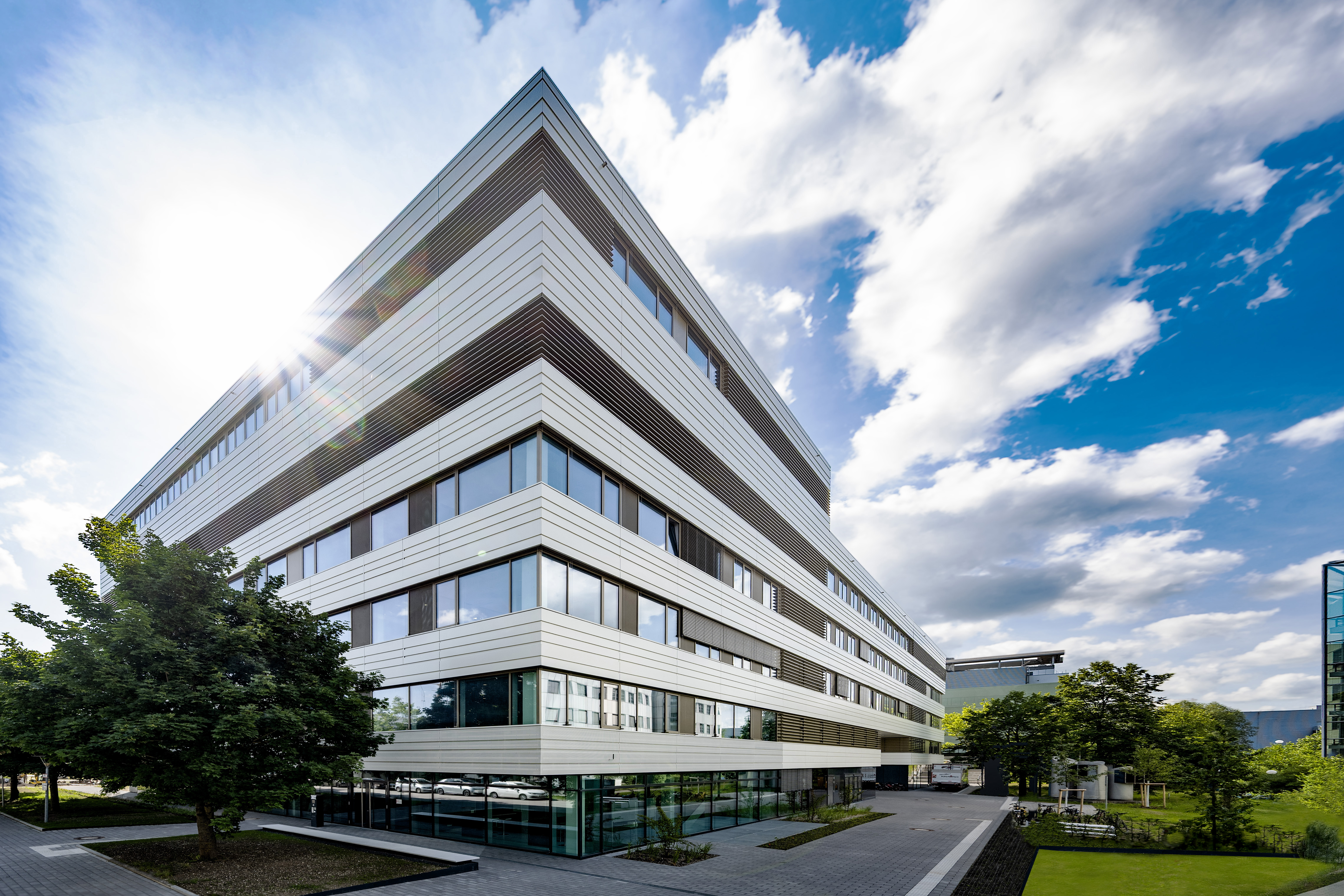
The new building is located on the so-called Institutsspange to the north of the Großhadern Clinic. The outstanding research building has 6 storeys and is equipped with laboratories, operating rooms and animal husbandry as well as offices and evaluation zones. The usable area is 2,300 square meters with a gross floor area of approx. 6,800 square meters. The building was designed by Doranth Post Architekten GmbH.
Particular attention was paid to the technical equipment and energy efficiency of the building. Optimized ventilation and air conditioning systems ensure controlled ventilation of the laboratory areas. Highly efficient heat recovery and indirect adiabatic cooling, a process that cools air through the evaporation of water without the need for additional refrigerants, utilize internal waste heat and make a significant contribution to reducing the building's energy consumption. A photovoltaic system on the roof contributes to the use of renewable energies.
A jury of specialist and expert judges also selected the entry entitled "4 Durchgänge" by Berlin artist Jonas von Ostrowski as the winner of the "Kunst am Bau" competition. Realization will begin at the end of 2025.
Impressions from the event
Image
New therapies for the treatment of life-threatening cardiovascular diseases: The ICON offers the best possible conditions for translational medicine
At ICON - the new "Interfaculty Center for Endocrine and Cardiovascular Disease Network Modelling and Clinical Transfer" in Munich-Großhadern - doctors and scientists from LMU Medicine are bringing together state-of-the-art large animal models, high-resolution imaging and clinical test procedures at one location. In this way, preclinical innovations in cell and gene therapy, minimally invasive interventions and diagnostic procedures are brought to patient benefit in record time.
At ICON, animal research and clinical trials are combined under one roof: high-tech MRI, cardiac catheters, 3D echocardiography and invasive monitoring systems are located directly next to the operating theaters and the Early Clinical Trial Unit. This means that therapeutic approaches can not only be validated, but also immediately transferred to clinical trials - for the faster benefit of the patients concerned.
WHO BENEFITS?
Diabetes and metabolic diseases
People with type 1 or type 2 diabetes, for whom xenogeneic islet cell transplants or novel metabolic interventions will be tested in the future. Patients with obesity, metabolic syndrome or non-alcoholic fatty liver can also benefit from pioneering approaches in cell therapy and immunometabolics.
Vascular and cardiovascular diseases
Patients with arteriosclerosis, coronary heart disease or peripheral arterial occlusive disease have access to new anti-inflammatory agents and innovative imaging techniques (such as PET-CT, optical fluorescence) that make early plaque formation visible and minimize the risk of thrombosis.
Heart failure, arrhythmias and valve diseases
Patients with heart failure (especially HFpEF) benefit from mechanical support systems and biomarkers that predict the course of the disease more accurately. 3D mapping and RNA-based therapies are being developed for people with atrial fibrillation or other arrhythmias. And patients with heart valve defects or prosthesis thromboses can benefit from optimized TAVI procedures and thrombosis detection technologies.
The official opening of the ICON marks the start of a new chapter in translational medicine in Munich-Großhadern: here, the leap "from laboratory to human" is not only planned, but put into practice on a daily basis.
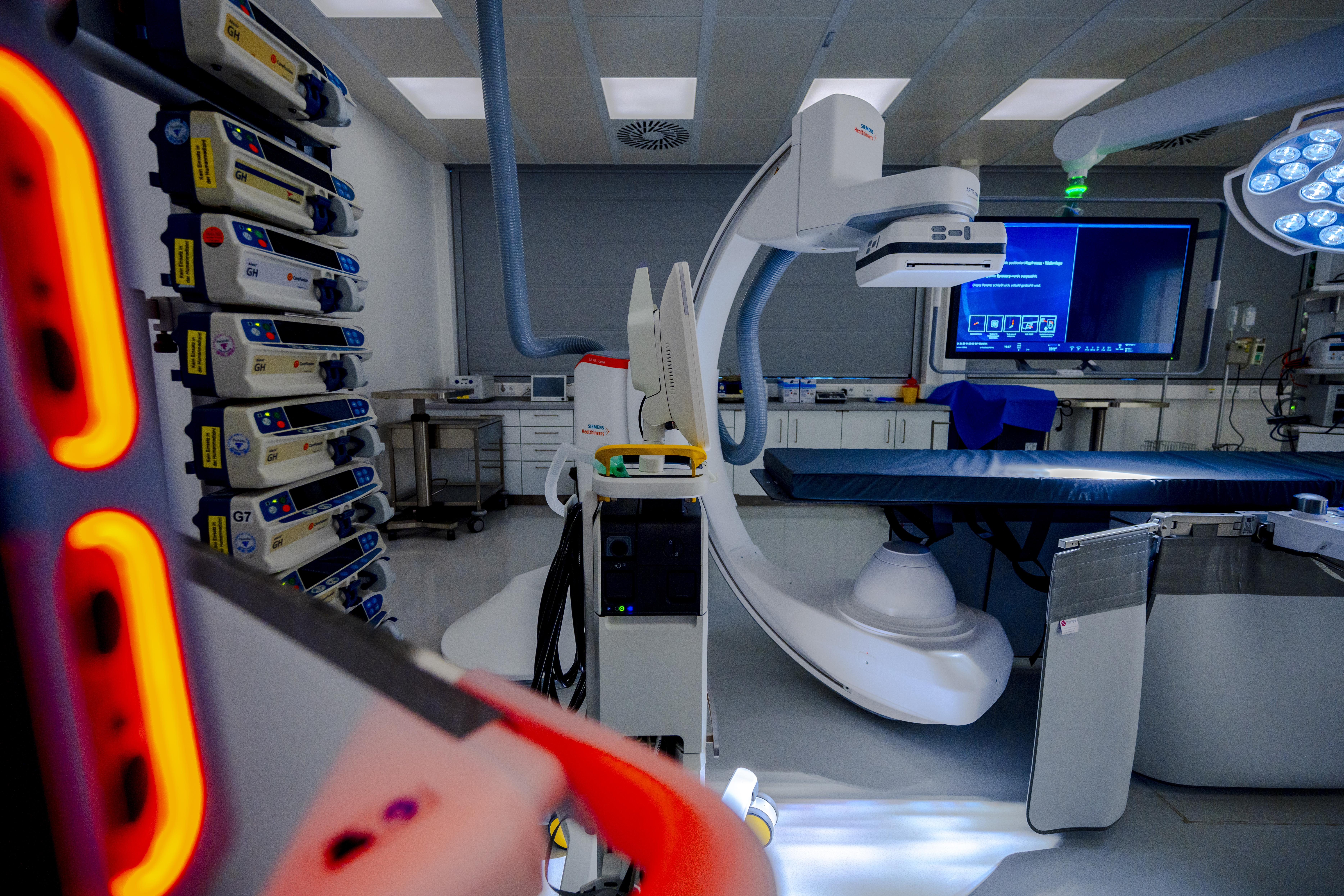
The new building offers scientists optimal research conditions. Here the room for cardiac catheter examinations with a C-arm X-ray machine.
CURRENT PROJECTS
CRISPR/Cas9-based gene therapy for hereditary cardiomyopathies
The research group led by Prof. Steffen Massberg, Director of the Medical Clinic I at LMU Hospital, has developed a promising CRISPR/Cas9 approach to correct disease-causing gene mutations in hypertrophic cardiomyopathy preclinically in pig models. At ICON, these gene therapy protocols can be tested for safety and efficiency for the first time in genetically modified large animals under realistic conditions (AAV9-mediated, cardiospecific gene transfer, precise monitoring via cardiac catheterization and MRI). This is a decisive step towards taking the therapy "from the laboratory to the patient" and laying the foundations for the first clinical trials on small patients.
Selected publications:
- Flisikowska T, Petersen B, Mearini G et al. Perinatal death in pig models of hypertrophic cardiomyopathy carrying sarcomere pathogenic variants. bioRxiv (2025).
- Mosqueira D, Mannhardt I, Bhagwan JR et al. CRISPR/Cas9 editing in human pluripotent stem cell-cardiomyocytes highlights arrhythmias, hypocontractility, and energy depletion as potential therapeutic targets for hypertrophic cardiomyopathy. Eur Heart J 39(43):3879-3892 (2018).
- Zou X, Ouyang H, Lin F et al. MYBPC3 deficiency in cardiac fibroblasts drives their activation and contributes to fibrosis. Cell Mol Life Sci (2024).
dRNP technology for safe, virus-free gene modulation
Prof. Stefan Stricker from the Department of Physiological Genomics at LMU's Biomedical Center and his team have established a novel, completely DNA- and virus-free method for targeted gene activation using dCas9-VPR ribonucleoprotein complexes (dRNPs). Just a few hours after injection, even target genes that are difficult to access can be activated precisely and temporarily in stem and primary cells - without the risk of unwanted integration mutations or immune reactions. At ICON, this dRNP system can be validated in future in large animal models for efficacy, biosafety and temporal controllability in order to pave the way for safer gene therapies for cardiovascular and metabolic diseases.
Selected publications:
- Schmidt T, Wiesbeck M, Egert L et al. Efficient DNA- and virus-free engineering of cellular transcriptomic states using dCas9 ribonucleoprotein (dRNP) complexes. Nucleic Acids Res. 2025 Mar 20;53(6):gkaf235. doi: 10.1093/nar/gkaf235.
- Breunig CT, Koferle A, Neuner AM, Wiesbeck MF, Baumann V, Stricker SH. CRISPR tools for physiology and cell state changes: potential of transcriptional engineering and epigenome editing. Physiol Rev 101:177-211 (2021).
- Baumann V, Wiesbeck M, Breunig CT, Braun JM, Köferle A, Ninkovic J, Götz M, Stricker SH. Targeted removal of epigenetic barriers during transcriptional reprogramming. Nat Commun 10(1):2119 (2019).
NUCLEATE Cluster of Excellence
The RNA- and DNA-based therapies for cardiovascular diseases developed in the new NUCLEATE Cluster of Excellence are also to be further developed towards clinical application at ICON.
Contact us
Professor Steffen Massberg
Director of the Medical Clinic and Polyclinic I