Safe alternatives to toxic tuberculosis medication
The active substances sutezolid and delpazolid showed strong antimicrobial activity and were significantly better tolerated than linezolid. In future, they could replace this previously central active ingredient in the treatment of multidrug-resistant tuberculosis (MDR-TB). The results were published on July 8 in two articles in the renowned journal The Lancet Infectious Diseases - one of the leading journals for infectious diseases medicine. Research partners in Germany were the German Center for Infection Research (DZIF) in Munich, theFraunhofer Institute for Translational Medicine and Pharmacology ITMPthe Center for International Health (CIH) at the LMU Klinikum and Helmholtz Munich.
The challenge of linezolid
Since 2022, the World Health Organization (WHO) has recommended linezolid as part of the BPaLM treatment regimen - together with bedaquiline, pretomanid and moxifloxacin - for the standard six-month treatment of multidrug-resistant tuberculosis. This has significantly shortened the previous treatment duration of 18 months. However, linezolid is highly toxic: The use of the drug for tuberculosis, which is significantly more protracted than the usual use for bacterial skin infections, often leads to serious side effects such as anemia or optic neuropathy. These are extremely distressing for patients, can be permanent and sometimes require treatment to be discontinued - which jeopardizes the success of the treatment. "Despite its effectiveness, linezolid is simply too toxic for many patients. We urgently need safer alternatives within this class of antibiotics," explains PD Dr. Norbert Heinrich.
New active ingredients with better tolerability
Like linezolid, both sutezolid and delpazolid belong to the oxazolidinone class, but show significantly lower toxicity. In two innovative Phase IIb studies - SUDOCU (PanACEA Sutezolid Dose-finding and Combination Evaluation) and DECODE (PanACEA Delpazolid Dose-finding and Combination Development) - both active substances were tested for the first time in combination with bedaquiline, delamanid and moxifloxacin. These quadruple combinations have not been used in any other study to date. The multi-center studies, conducted in South Africa and Tanzania, investigated the active substances in patients with drug-sensitive pulmonary tuberculosis. Both substances were better tolerated than linezolid.
Central study results show better tolerability
Sutezolid showed a pronounced antibacterial effect across all doses tested and was well tolerated - with no documented cases of neuropathy or hematological toxicity. These results show that sutezolid could represent a safe alternative in future TB therapies, especially with prolonged use - even if no final dosage recommendation is yet possible.
Delpazolid improved the efficacy of the combination with bedaquiline, delamanid and moxifloxacin. A once-daily dose of 1200 mg achieved the desired drug levels for maximum efficacy with good tolerability over a period of 16 weeks. Again, no cases of nerve damage or hematotoxic side effects were observed. These results underline the potential of delpazolid as a promising alternative to linezolid - subject to confirmation by larger studies.
"The study results suggest that both drugs could offer safer treatment options for TB patients - especially with longer treatment duration," says Dr. Tina Minja, principal investigator of the DECODE study at the NIMR-Mbeya Medical Research Centre in Tanzania.
Global collaboration
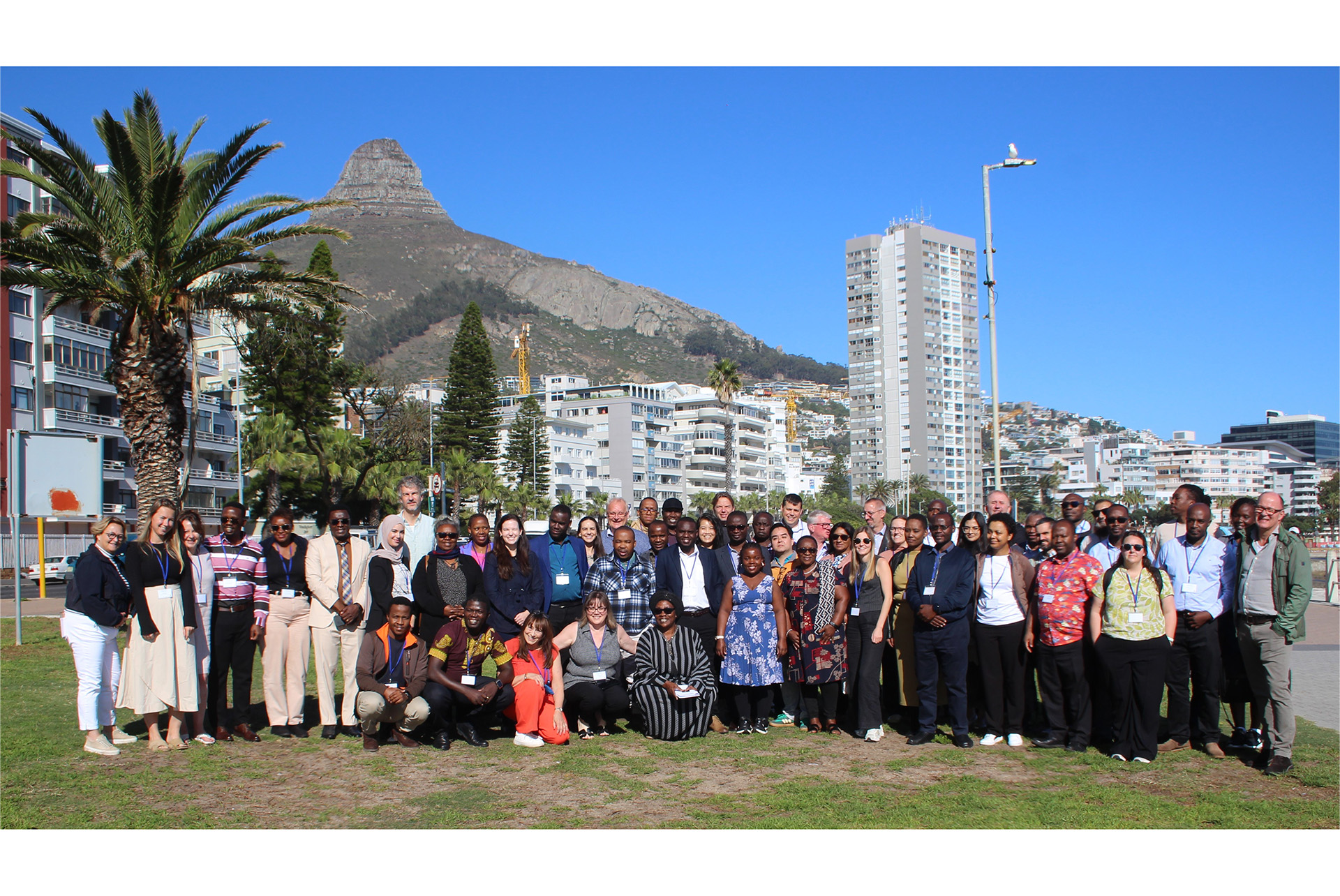
The studies were conducted as part of the PanACEA network (Pan-African Consortium for the Evaluation of Anti-Tuberculosis Antibiotics) - an international consortium in Africa and Europe. SUDOCU and DECODE are open-label, randomized Phase IIb studies in which different doses were systematically compared with regard to antibacterial activity, drug exposure and safety profile.
Outlook
The publication in The Lancet Infectious Diseases underlines the scientific relevance of these findings and their potential to fundamentally change future TB therapies. "Fewer side effects with sutezolid and delpazolid are a significant step forward - they bring us a big step closer to effective and better tolerated TB therapies," comments Dr. Ivan Norena, Medical Study Director at the Tropical Institute of the LMU Hospital Munich.
Further studies with larger cohorts and optimized therapy combinations are already being planned. If the positive results are confirmed, the active substances could play a central role in the next generation of TB therapies.
Funding
The SUDOCU study was conducted by the PanACEA consortium as part of theEDCTP2 program, which was funded by the European Union and supported by the German Federal Ministry of Education and Research (BMBF) and the Netherlands Organization for Scientific Research (NWO). Additional funding came from the German Center for Infection Research (DZIF).Otsuka provided delamanid free of charge, Sequella also supplied the active ingredient sutezolid free of charge.The DECODE study was financed by LigaChem Biosciences and used the structures established within the framework of PanACEA. Here, too, Otsuka provided delamanid free of charge.
Further information
Publications:
Delpazolid in combination with bedaquiline, delamanid, and moxifloxacin for pulmonary tuberculosis (PanACEA-DECODE-01): a prospective, randomized, openlabel, phase 2b, dose-finding trial
Minja, Lilian Tina, et al.
The Lancet Infectious Diseases,Online first, July 08, 2025. available at:
https://www.thelancet.com/journals/laninf/article/PIIS1473-3099(25)00289-0/fulltext
Sutezolid in combination with bedaquiline, delamanid, and moxifloxacin for pulmonary tuberculosis (PanACEASUDOCU-01): a prospective, open-label, randomized, phase 2b dose-finding trial
Heinrich, Norbert, et al.
The Lancet Infectious Diseases, Online first, July 08, 2025. available at:
https://www.thelancet.com/journals/laninf/article/PIIS1473-3099(25)00213-0/fulltext
The patient pursuit of safe treatment options for tuberculosis.
Perumal R, Naidoo K.
The Lancet Infectious Diseases 2025; Online first, July 08, 2025. Available at:
https://www.thelancet.com/journals/laninf/article/PIIS1473-3099(25)00362-7/fulltext
Contact
PD Dr. med. Norbert Heinrich
Institute of Infectious Diseases and Tropical Medicine, LMU Hospital Munich