News | 21/05/2026
African-European collaborative network
Strengthening Global Collaboration Against Antimicrobial Resistance: ASPIRE Consortium Meets in Ethiopia
Meeting hosted by Jimma University
A research team from our institute, led by Dr Arne Kroidl, participated in the Annual Consortium Meeting of the ASPIRE (Antimicrobial Stewardship Prevention of Infection and Resistance) Consortium, held from 14-16 May 2026 at Jimma University in Ethiopia.
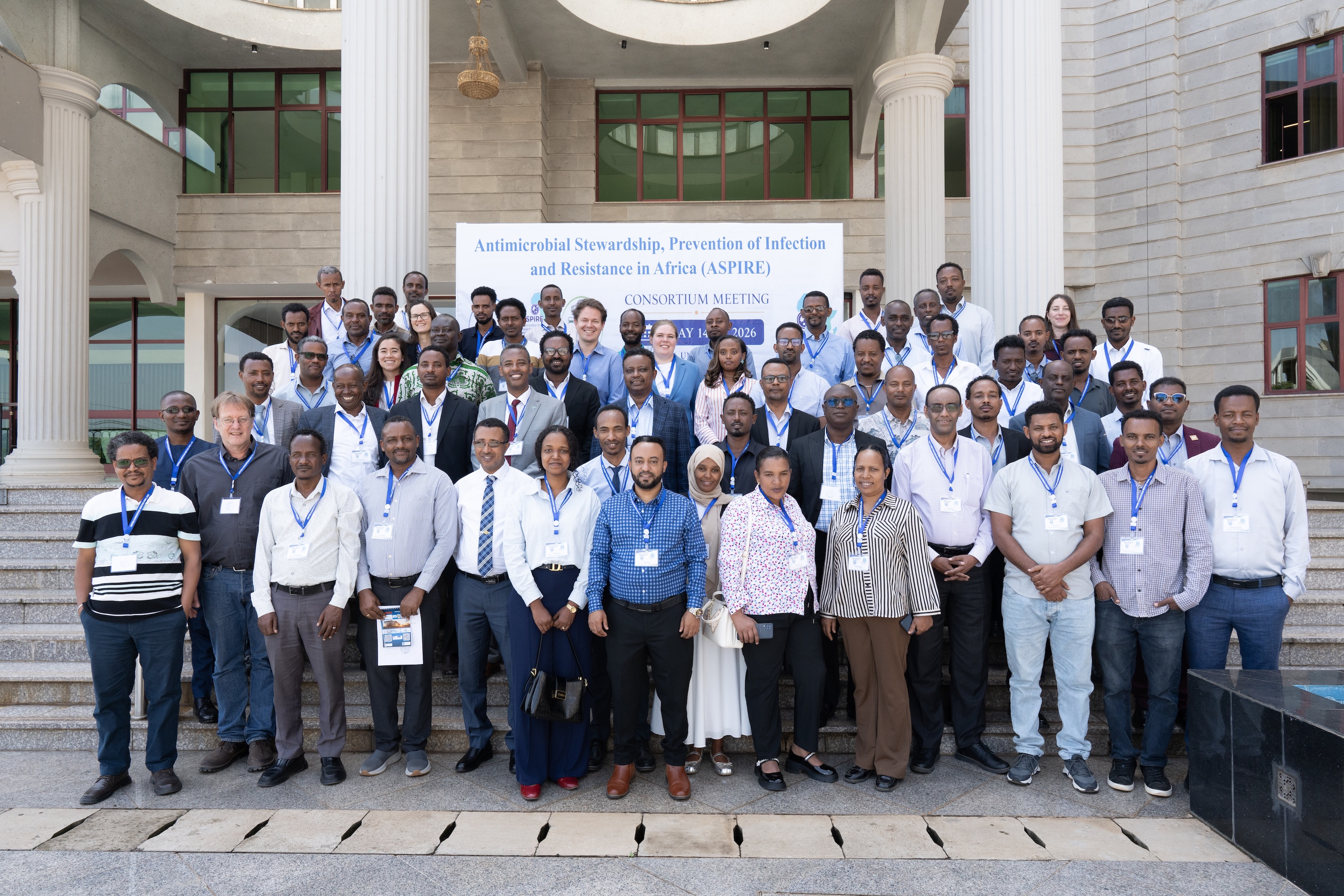
Bernard Marks/ Mundus Marketing & Interactive GmbH
Bernard Marks/ Mundus Marketing & Interactive GmbH
ASPIRE Consortium Meeting 2026Image
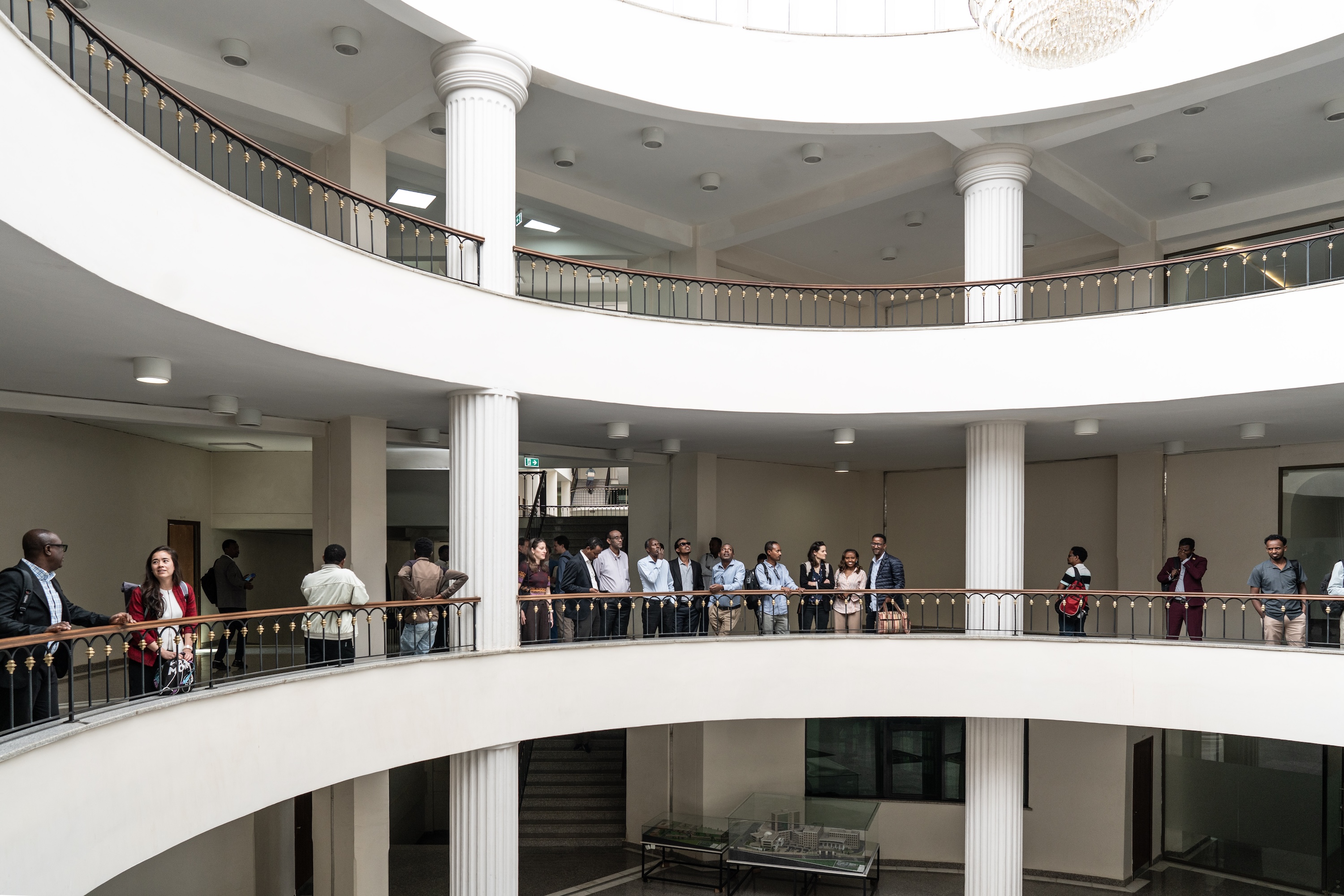
Bernard Marks/ Mundus Marketing & Interactive GmbH
ASPIRE Consortium Meeting 2026Image
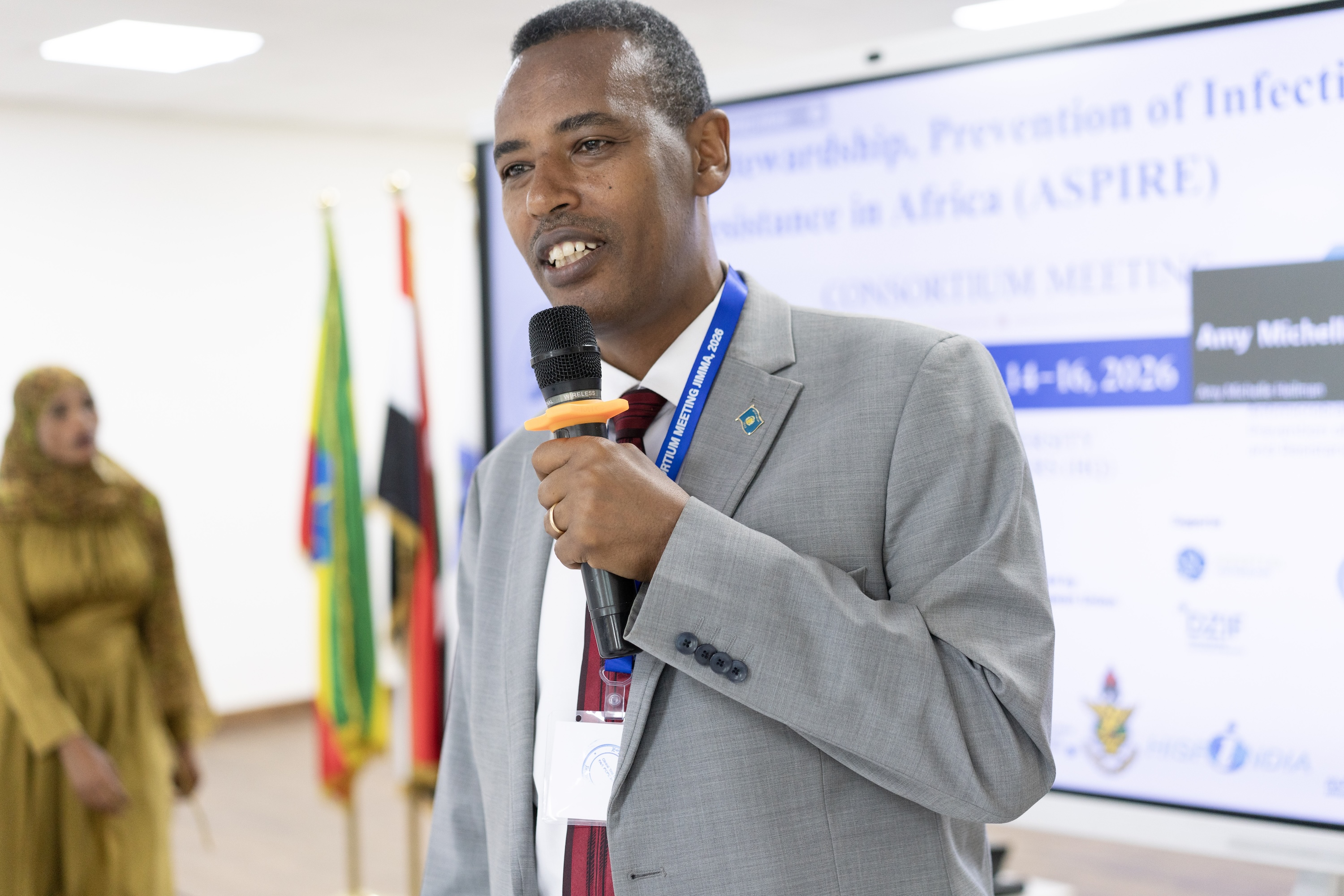
Bernard Marks/ Mundus Marketing & Interactive GmbH
ASPIRE Consortium Meeting 2026Image
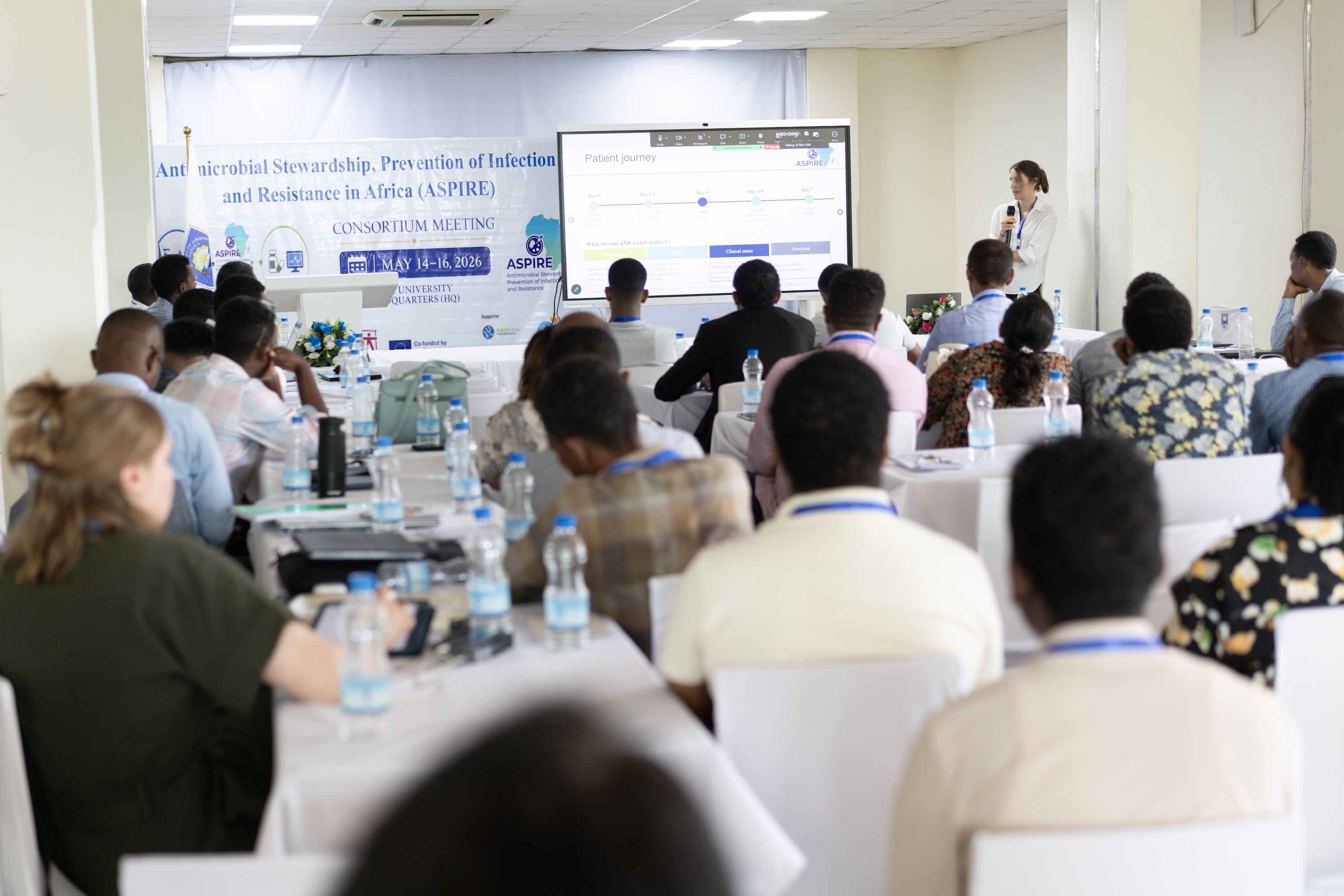
Bernard Marks/ Mundus Marketing & Interactive GmbH
ASPIRE Consortium Meeting 2026Image
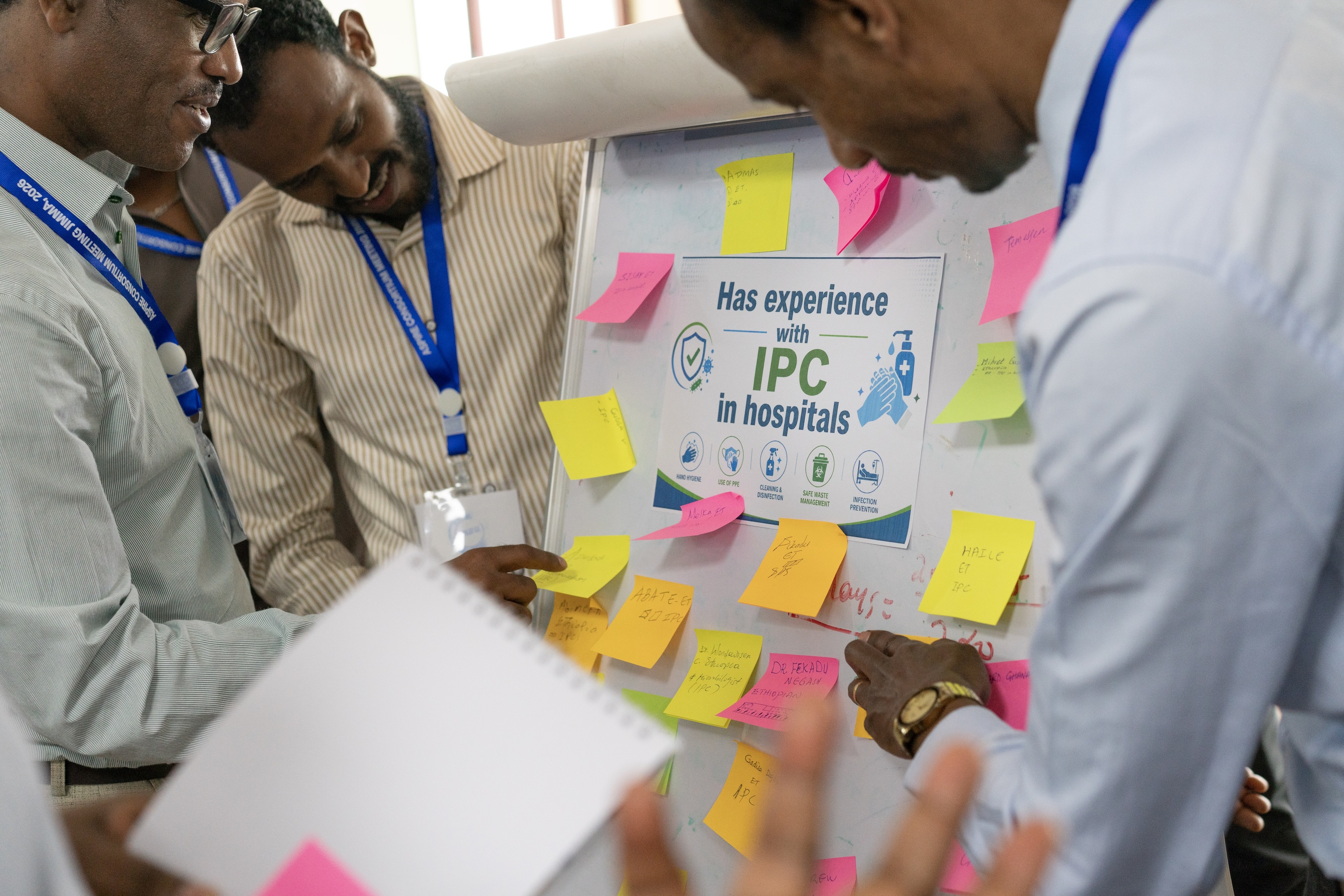
Bernard Marks/ Mundus Marketing & Interactive GmbH
ASPIRE Consortium Meeting 2026Image

Bernard Marks/ Mundus Marketing & Interactive GmbH
ASPIRE Consortium Meeting 2026Image
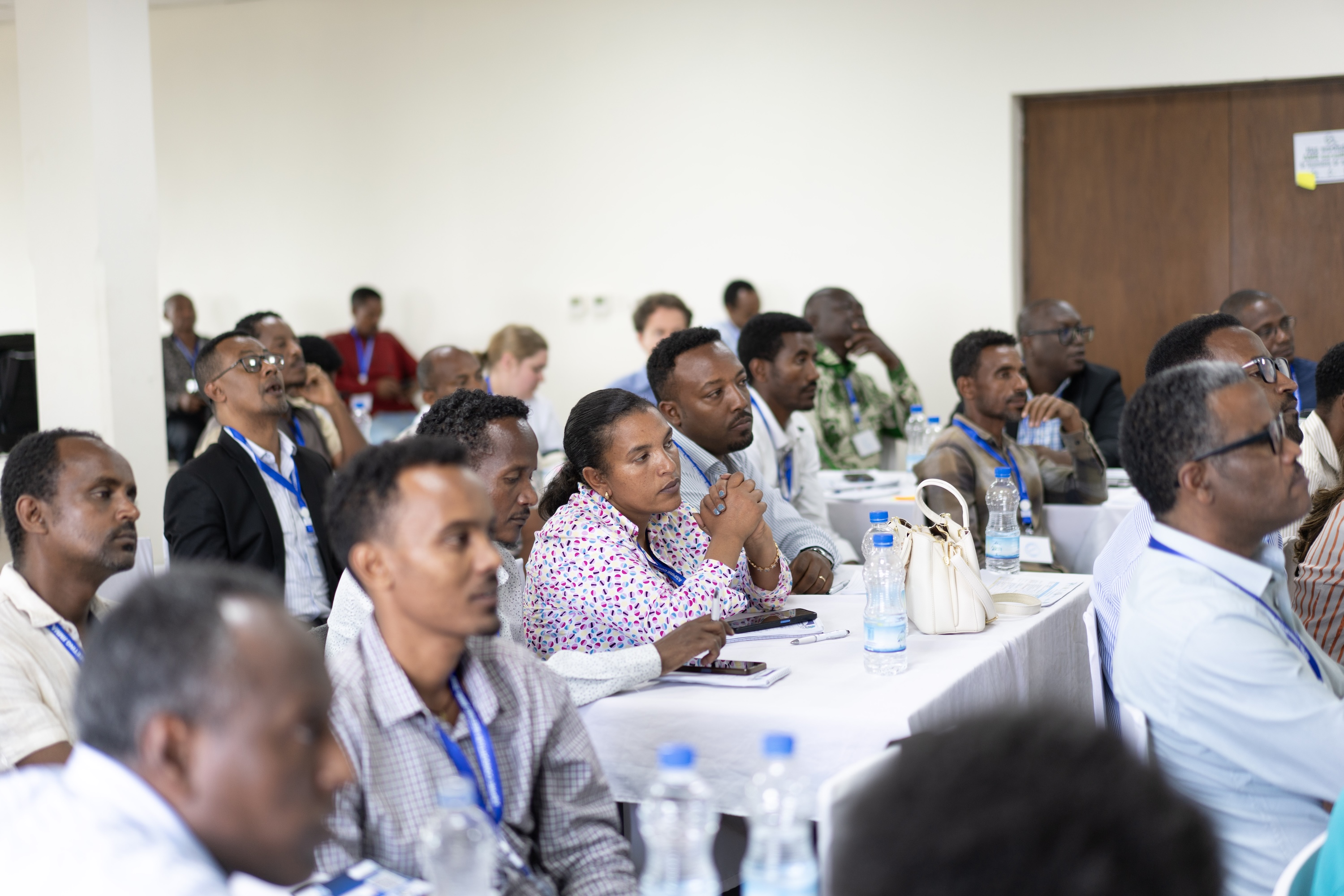
Bernard Marks/ Mundus Marketing & Interactive GmbH
ASPIRE Consortium Meeting 2026Image
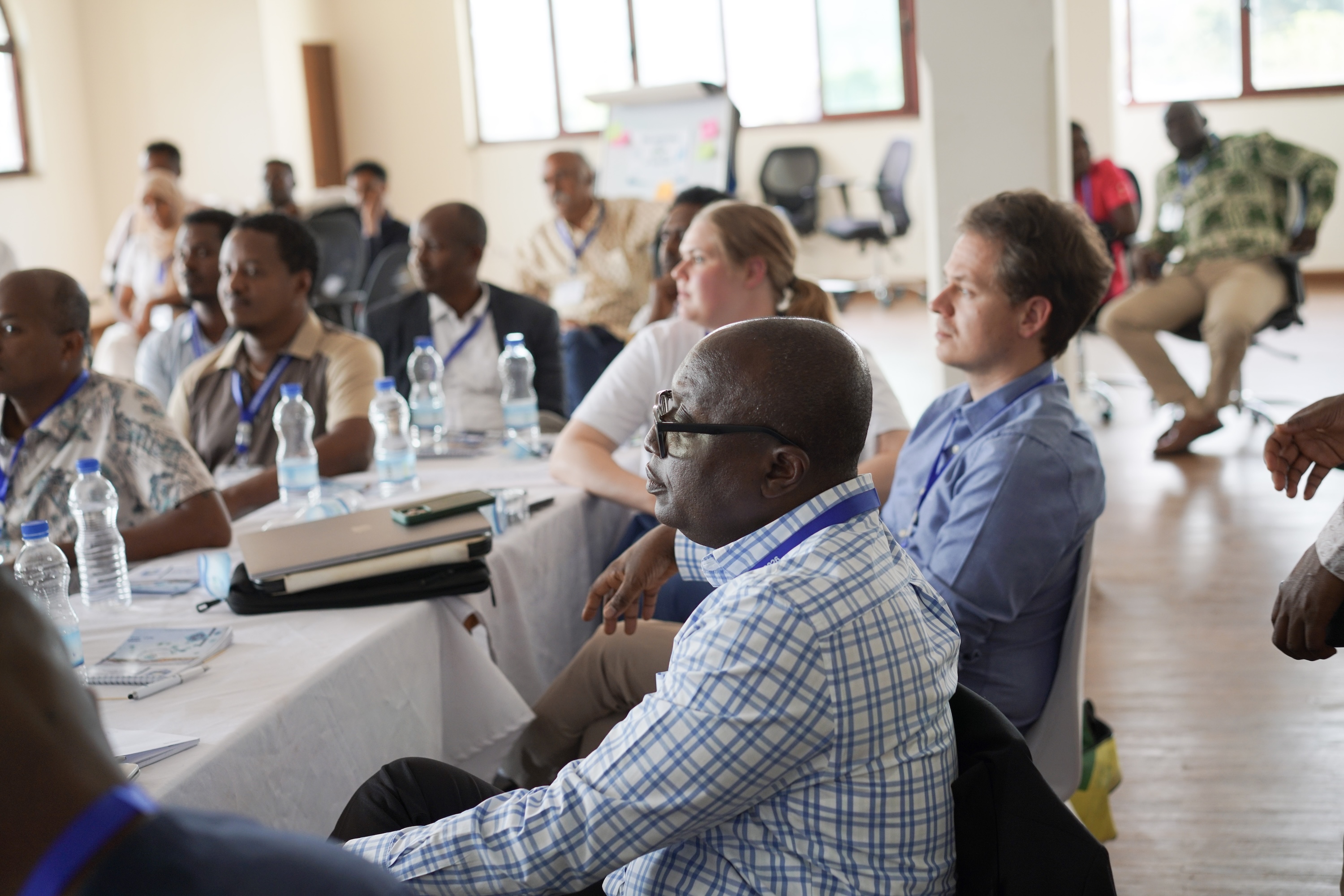
Bernard Marks/ Mundus Marketing & Interactive GmbH
ASPIRE Consortium Meeting 2026Image

Bernard Marks/ Mundus Marketing & Interactive GmbH
ASPIRE Consortium Meeting 2026Image
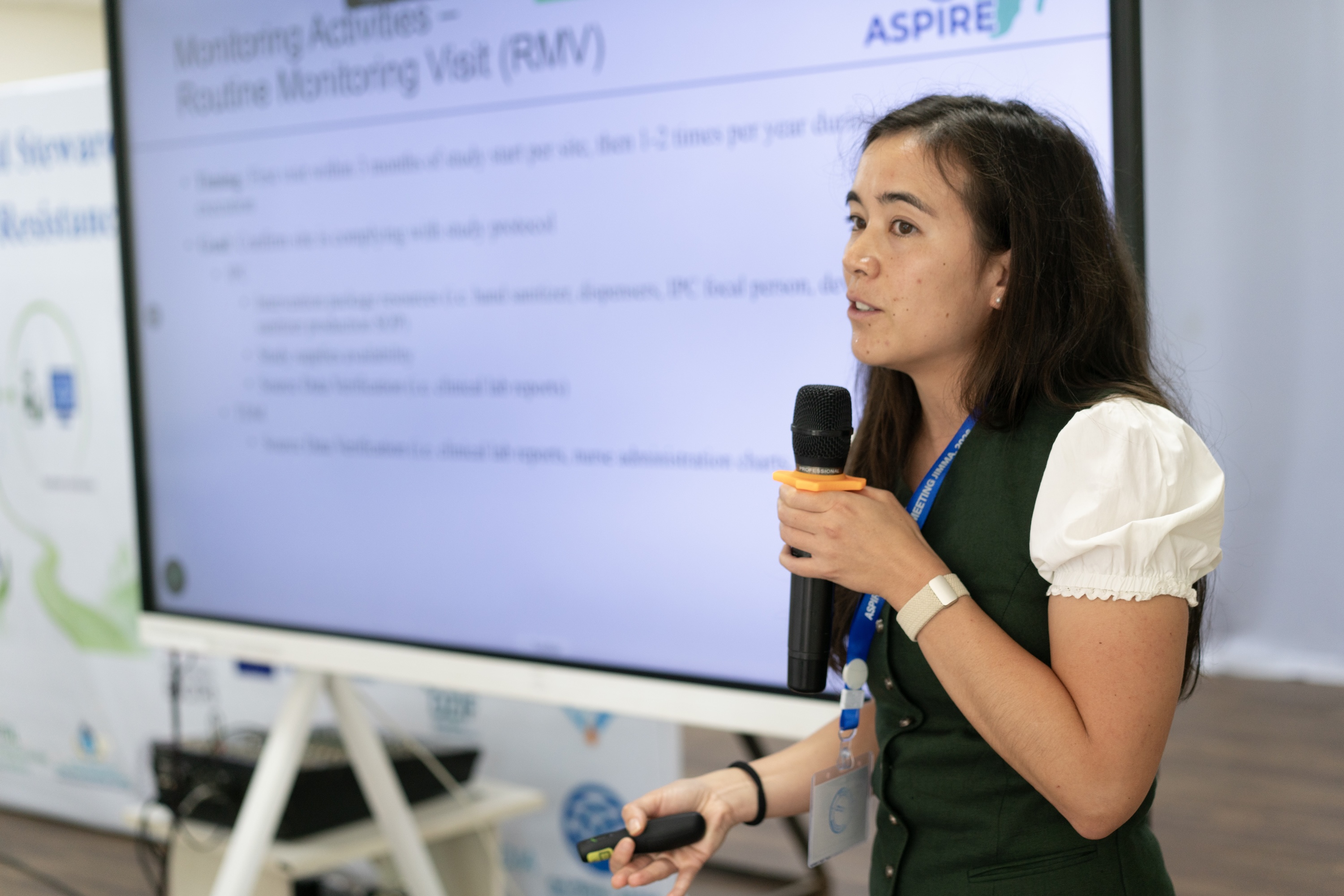
Bernard Marks/ Mundus Marketing & Interactive GmbH
ASPIRE Consortium Meeting 2026Image
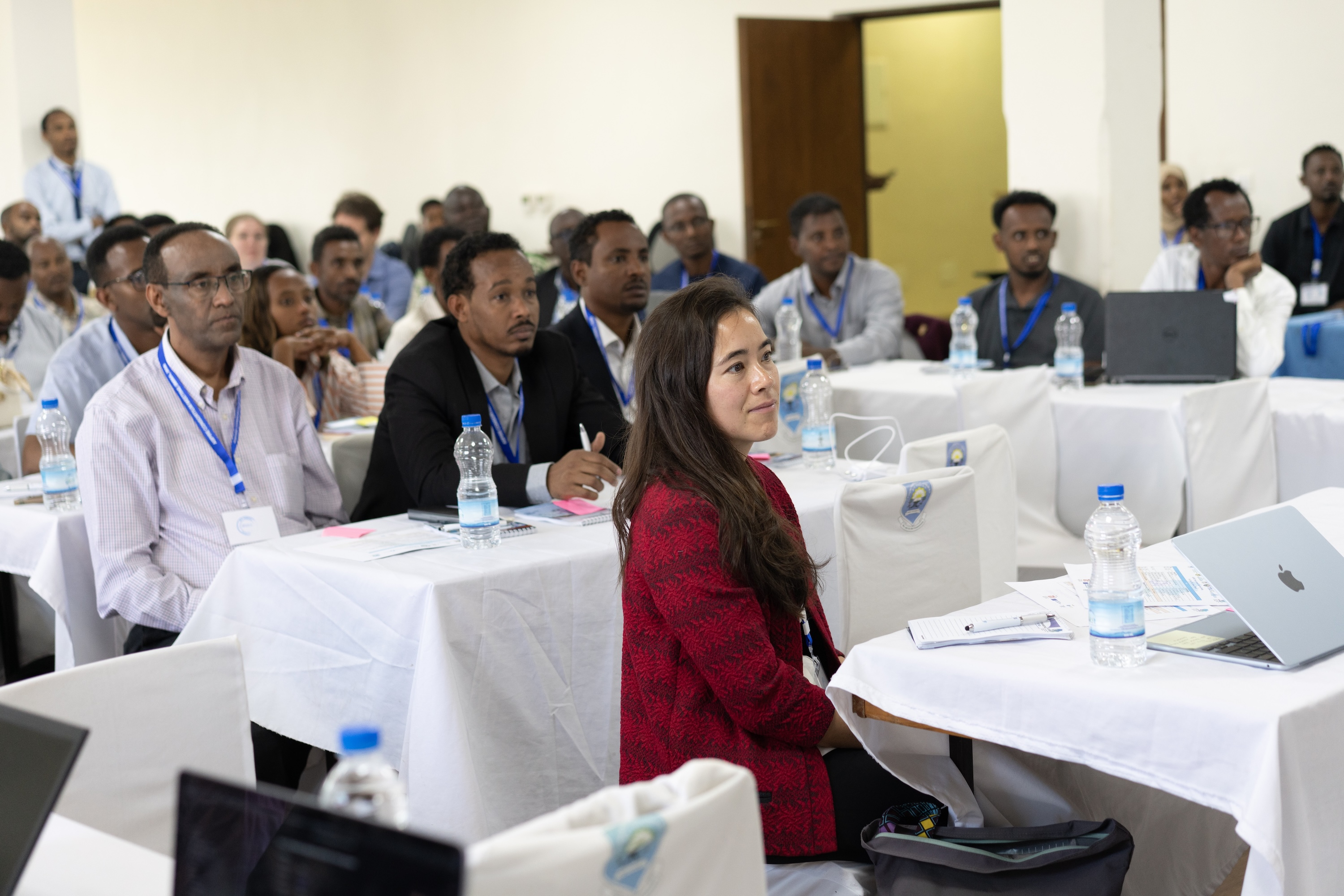
Bernard Marks/ Mundus Marketing & Interactive GmbH
ASPIRE Consortium Meeting 2026Image
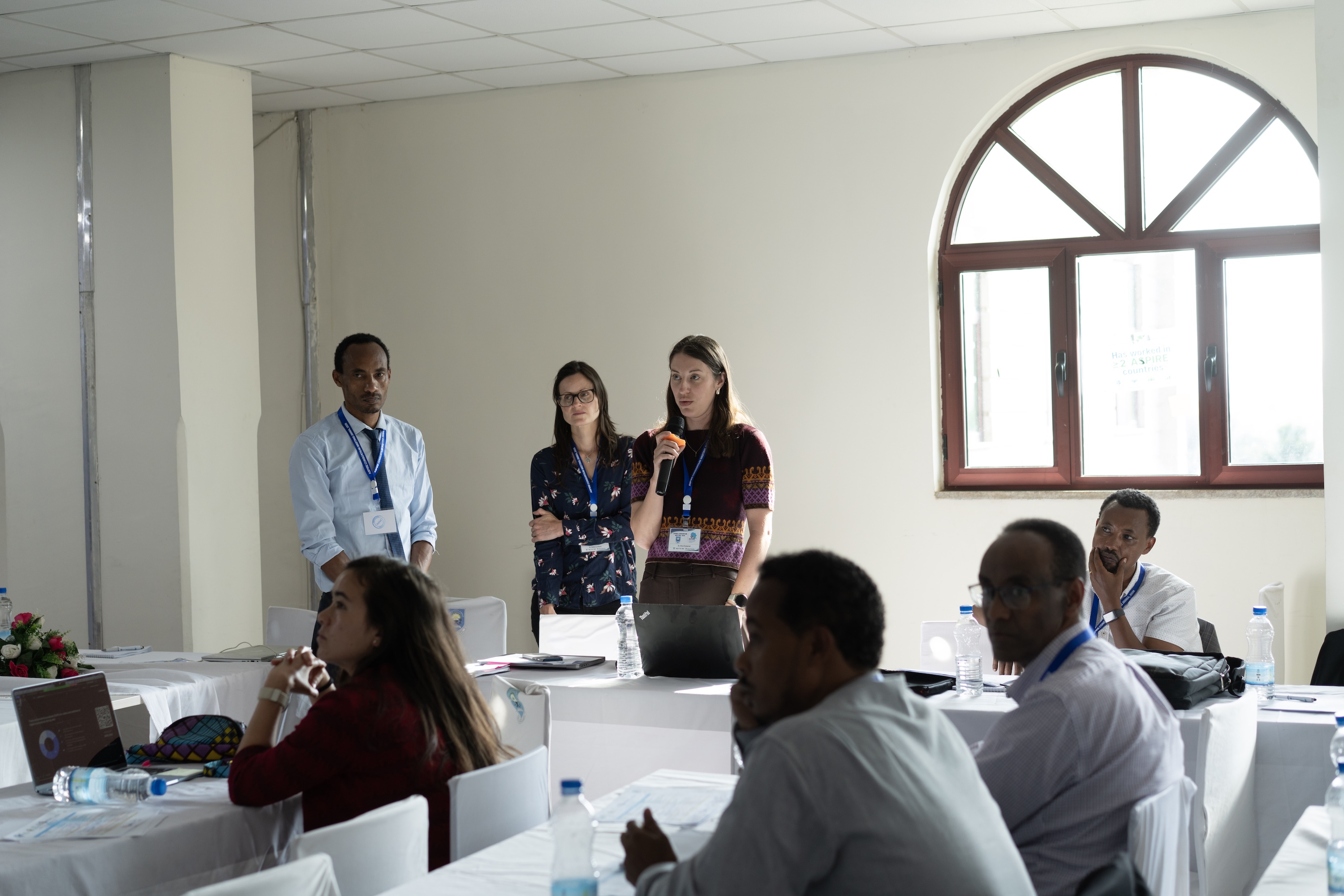
Bernard Marks/ Mundus Marketing & Interactive GmbH
ASPIRE Consortium Meeting 2026Image
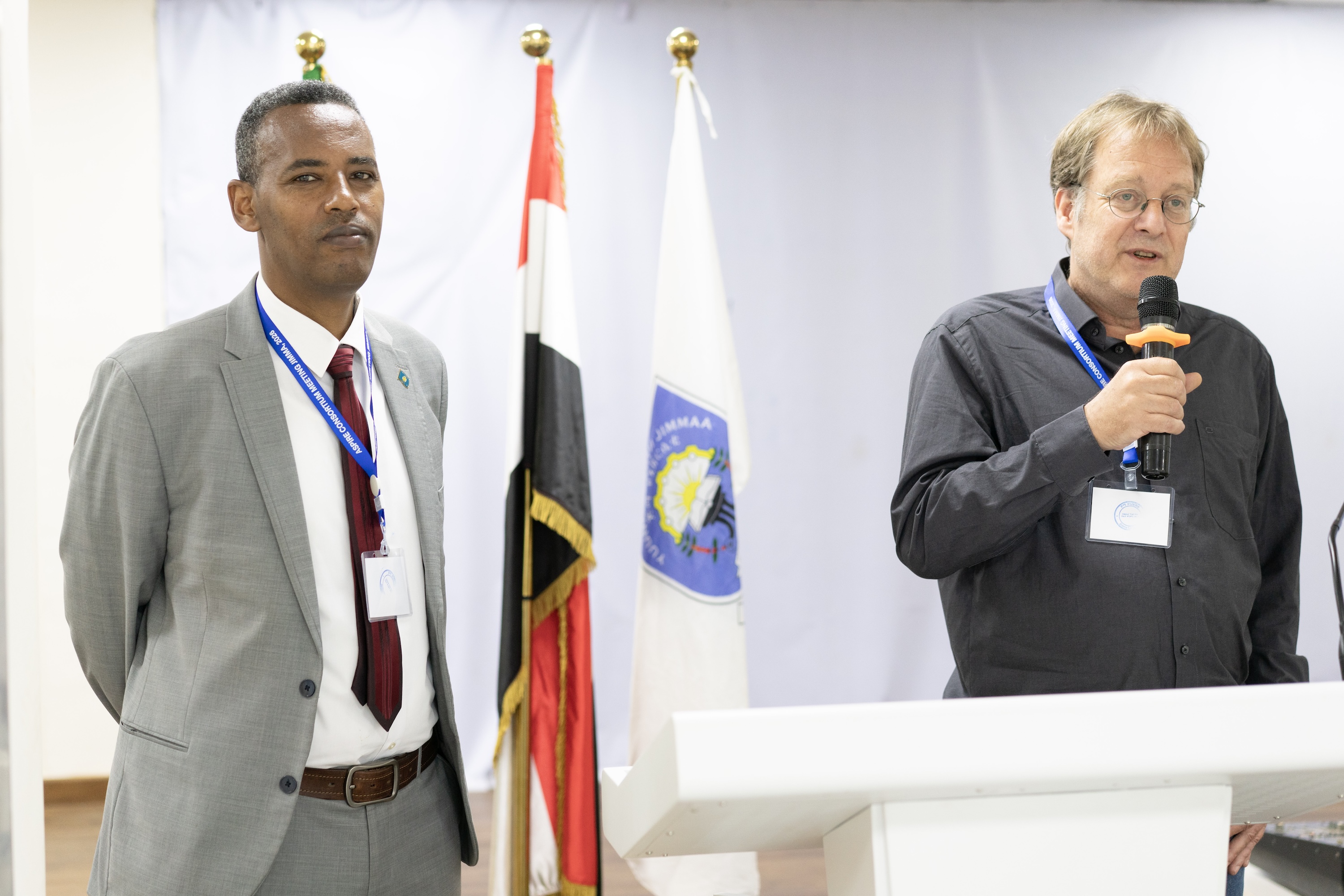
Bernard Marks/ Mundus Marketing & Interactive GmbH
ASPIRE Consortium Meeting 2026Image
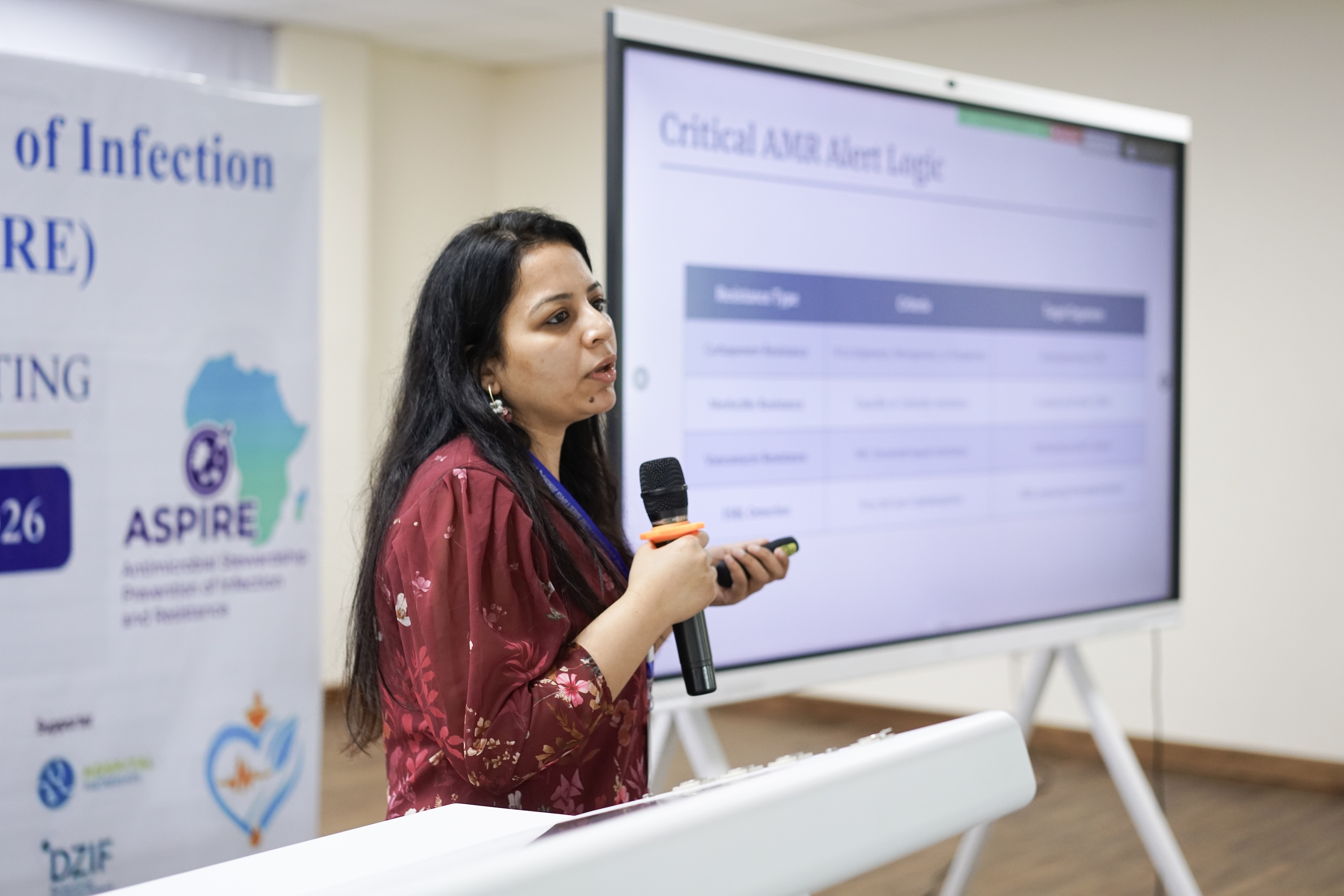
Bernard Marks/ Mundus Marketing & Interactive GmbH
ASPIRE Consortium Meeting 2026Image
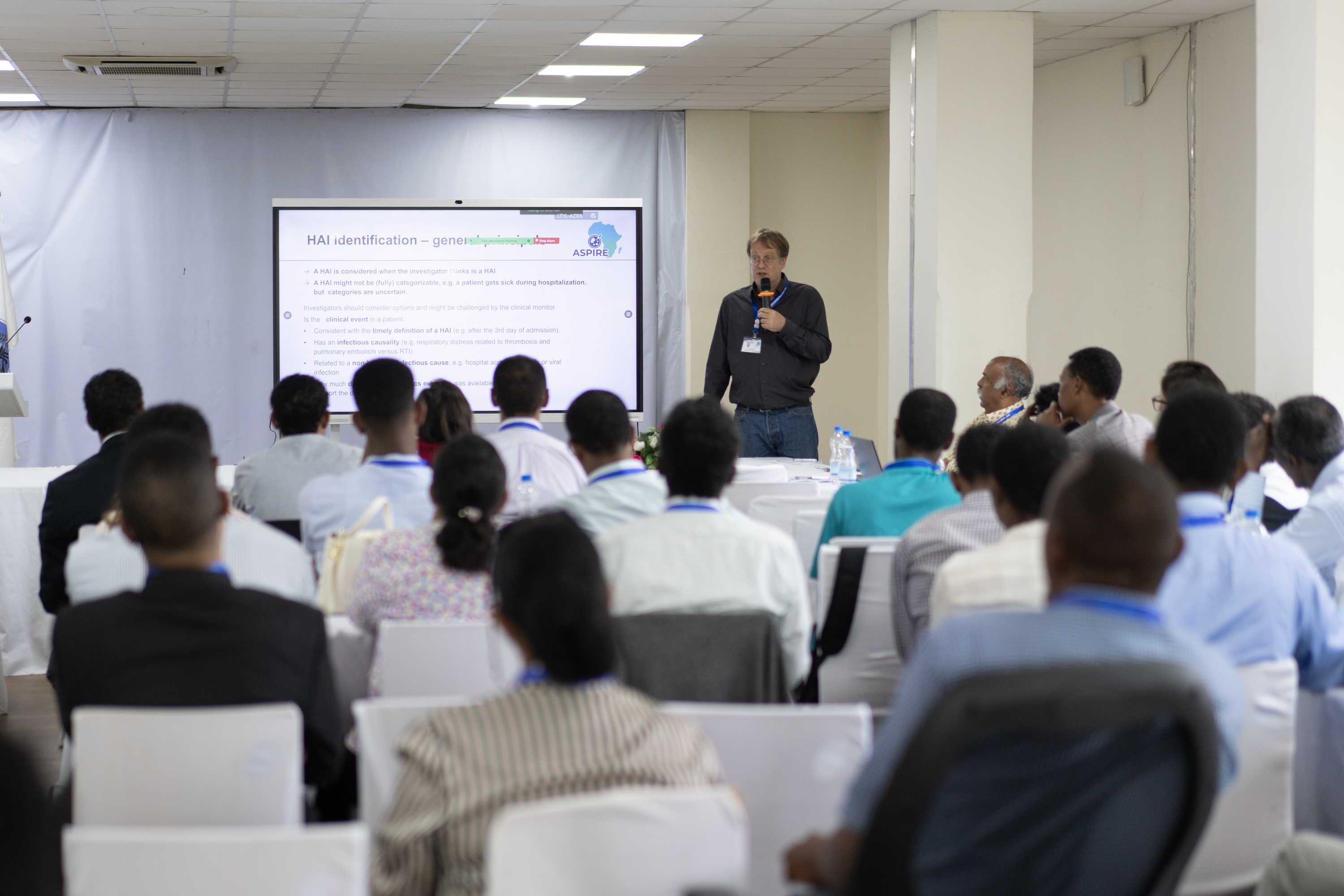
Bernard Marks/ Mundus Marketing & Interactive GmbH
ASPIRE Consortium Meeting 2026Image

Bernard Marks/ Mundus Marketing & Interactive GmbH
ASPIRE Consortium Meeting 2026Image
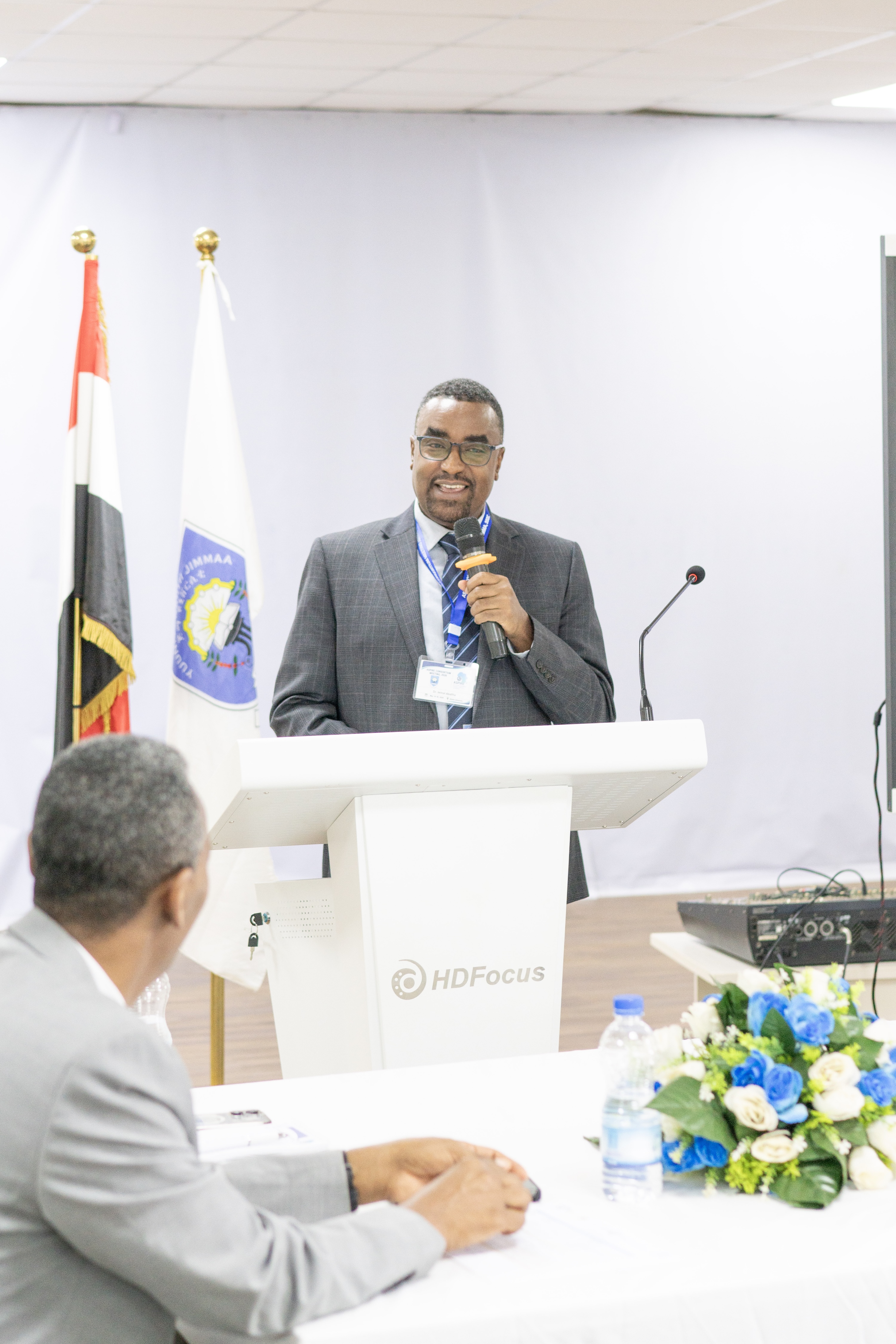
Bernard Marks/ Mundus Marketing & Interactive GmbH
ASPIRE Consortium Meeting 2026Image

Bernard Marks/ Mundus Marketing & Interactive GmbH
ASPIRE Consortium Meeting 2026Image