National Cancer Prevention Week 2025: LMU Hospital focuses on education and prevention
Every year, around 500,000 people in Germany are newly diagnosed with cancer. According to the World Health Organization (WHO), up to 40 percent of these cancer cases could be avoided through a combination of targeted preventative measures.
"This is an enormous opportunity that we as a cancer center would like to raise awareness of even more," emphasizes Prof. Dr. Volker Heinemann, Director of the Comprehensive Cancer Center of the LMU Hospital, CCC MünchenLMU. "Our aim is to prevent cancer from developing in the first place, which is why prevention should begin in childhood."
Information and advice
Interested parties can find comprehensive information on prevention options on the CCC MünchenLMU website. The Cancer Center also offers personal consultations and, if necessary, refers patients to specialized prevention consultations.
Cancer prevention in schools
CCC Munich has launched the 'CCC Munich goes digital at school' project to take this primary prevention concept into account. As part of the project, pupils are informed about the recommendations of the European Code on Cancer Prevention and receive motivational tips on how preventive measures can be implemented more easily in everyday life. The project is supported by the association lebensmut e.V. for social and psycho-oncological issues. "Our aim is to support schools in communicating the recommendations for cancer prevention to pupils in a vivid way," says PD Dr. Julian Holch, project initiator at the CCC Munich.
Twelve recommendations of the European Code Against Cancer
The International Agency for Research on Cancer of the World Health Organization developed the 'European Code of Practice against Cancer' on behalf of the EU Commission: The current edition includes twelve recommendations that most people can implement without any special skills or advice. The more recommendations you follow, the lower the risk of cancer. Click on the images to find out more.
Focus on non-smoking - services offered by the LMU Hospital's tobacco outpatient clinic
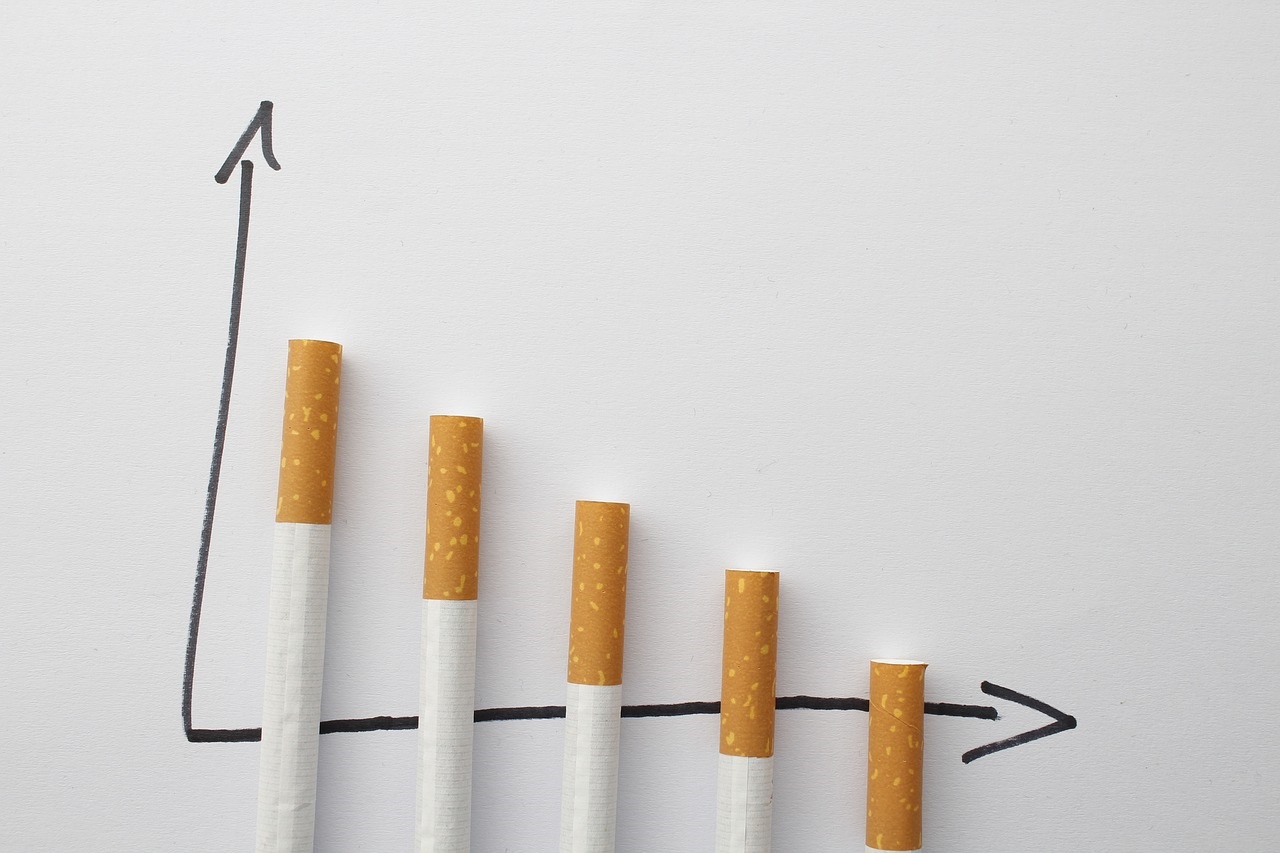
This year, the focus of Cancer Prevention Week is non-smoking. This is because tobacco consumption causes various types of cancer, with an estimated 82 percent of lung cancer cases being attributable to smoking. Compared to non-smokers, the risk of lung cancer in smokers is 20 to 25 times higher. People who are exposed to passive smoke have twice the risk of lung cancer.
It's hard to give up cigarettes - but it's worth it! After just 20 minutes, blood pressure and pulse rate drop, after a few days food tastes better and after a few months the risk of heart attack decreases. With these 10 tips from the experts at LMU Klinikum München, you have the best chance of becoming permanently smoke-free.
1. set yourself a date. Choose a clear day on which you will quit. The calendar entry acts like an internal contract.
2. write down your reasons. Whether health, family or money - a note on the fridge reminds you why you want to persevere.
3. get support. Tell friends and family about your plan. Those who have support are more likely to stay strong.
4. use professional help. Medical advice and courses double your chances of success - all health insurance companies cover part of the costs.
5 Medication helps. Nicotine patches, chewing gum, mouth spray or prescription drugs such as varenicline alleviate withdrawal symptoms. (are paid for by the health insurance companies as part of a smoke-free course)
6. distract yourself. Instead of a cigarette: a cup of tea, chewing gum or a short walk. Small rituals help to overcome the craving.
7. recognize your triggers. Coffee, alcohol or stress are typical "triggers". Make a conscious effort to change your habits.
8. stay on the ball digitally. Apps and the stop smoking hotline (Tel. 0800 8313131) support you free of charge with tips and motivation.
9. reward yourself! Work out how much money you are saving - and treat yourself to something nice.
10. accept setbacks. A slip-up is not a failure. Analyze the situation - and keep going. Every attempt brings you closer to your goal.
The Tobacco Outpatient Clinic of the Department of Psychiatry and Psychotherapy offers medical and psychological counseling and therapy based on the latest scientific research. This is based on medical treatment options, basic principles of behavioral therapy and concepts from motivational research. Smoking cessation programs are offered in individual or group therapy for all smokers.
"Every stop smoking is a gain - for health, quality of life and often also for the family. The important thing is to get support and not fight alone. With a good strategy and a little patience, everyone can become permanently smoke-free."
PD Dr. Tobias Rüther, Head of the Tobacco Outpatient Clinic at LMU Klinikum München
Comprehensive prevention program at the CCC MunichLMU
As one of the leading oncology centers of excellence in Germany, the CCC MünchenLMU combines the expertise of various institutions in cancer medicine. The combination of state-of-the-art treatment and consistent prevention work makes the center an important partner in the fight against cancer. The Comprehensive Cancer Center at LMU Hospital already offers a wide range of prevention options:
- Educational and counseling services: Sound information on the 12 recommendations of the European Cancer Code, ranging from non-smoking to healthy eating and UV protection.
- Prevention projects: The touring exhibition on cancer prevention, which can be borrowed free of charge, and the "CCC macht Schule" school program for Bavarian educational institutions.
- Research-based programs: Innovative projects such as REGENERATION, IMPLEMENT and INTEGRATION, which integrate nutrition and exercise therapy into cancer prevention and aftercare.
- Instagram account for cancer prevention for young people: CancerPreventionForYou
Myths about cancer and cancer prevention
Does sunscreen cause skin cancer? Does aluminum in deodorants promote breast cancer? Is aspartame carcinogenic? Dr. Nicole Erickson, Theresa Herzig, Nina Berg and Irina Rupp from the CCC MunichLMU classify myths about cancer and cancer prevention on the occasion of Cancer Prevention Week. Click on "Read more" to find out more about the individual myths.
Myth 1
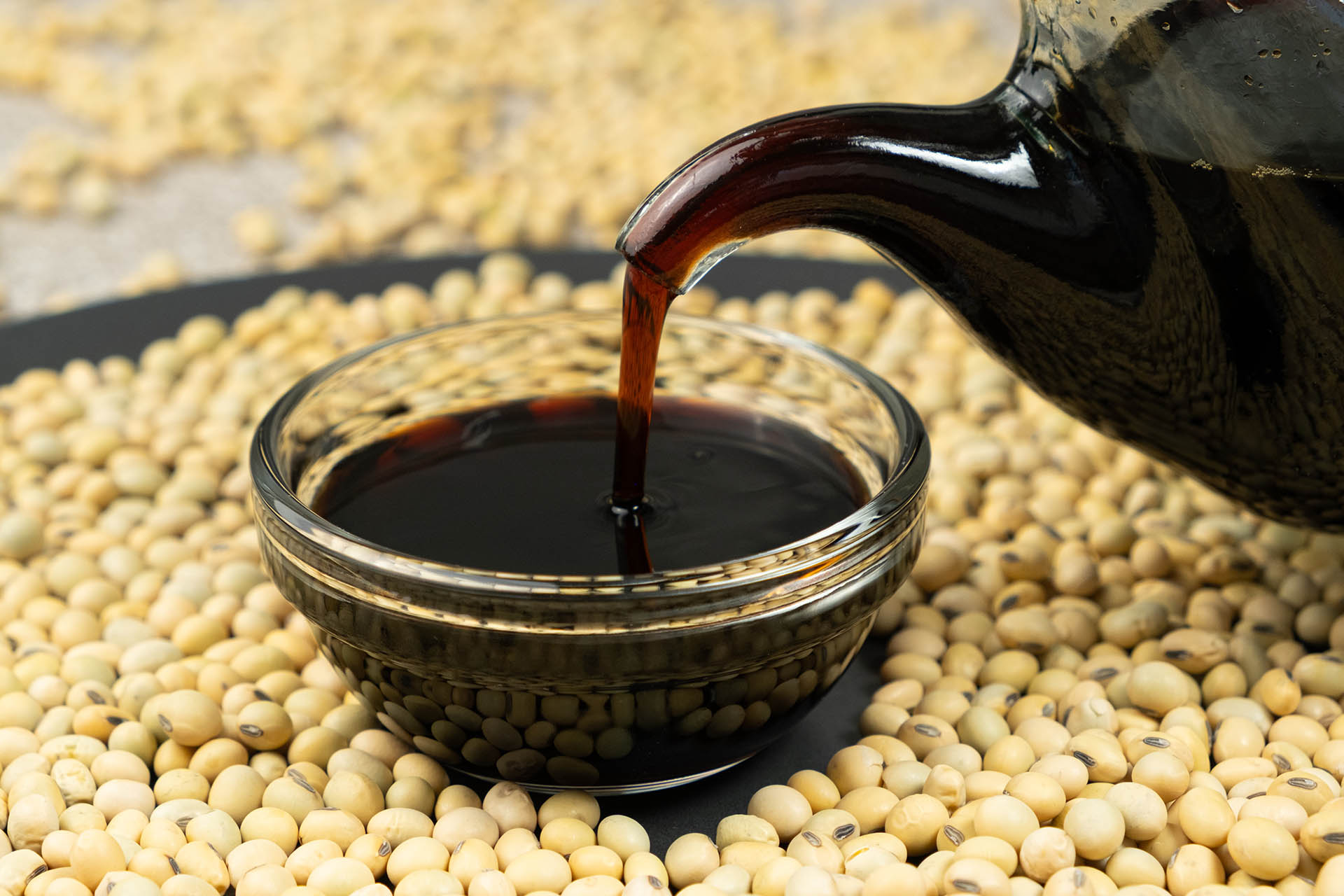
Soy consumption promotes the development of cancer in healthy people.
Soy products can be a good source of protein. However, soy contains plant substances that act in the body in a similar way to the hormone oestrogen. Whether and how strongly they affect an existing tumor cell has not yet been clearly clarified. What is important is that they have a much weaker effect than the body's own hormone.
Epidemiological studies suggest that a higher consumption of soy could reduce the risk of breast cancer in healthy women. However, many of these studies with positive effects come from Asian countries, so it remains unclear whether the results can be transferred to women in Germany in the same way.
Sources:
Chakravarti, B., Rajput, S., Srivastava, A., Sharma, L. K., Sinha, R. A., Chattopadhyay, N., & Siddiqui, J. A. (2024). A systematic review and meta-analysis of the effects of dietary isoflavones on female hormone-dependent cancers for benefit-risk evaluation. Phytotherapy Research, 38(12), 6062-6081. https://doi.org/10.1002/ptr.8358
Boutas, I., Kontogeorgi, A., Dimitrakakis, C., & Kalantaridou, S. N. (2022). Soy isoflavones and breast cancer risk: A meta-analysis. In Vivo, 36(2), 556-562. https://doi.org/10.21873/invivo.12737
Finkeldey, L., Schmitz, E., & Ellinger, S. (2021). Effect of the intake of isoflavones on risk factors of breast cancer: A systematic review of randomized controlled intervention studies. Nutrients, 13(7), 2309. https://doi.org/10.3390/nu13072309
Myth 2
A glass of red wine a day is healthy.
These assumptions are outdated and come from studies with methodological flaws. We now know that alcohol in any quantity is a cell poison and increases the risk of cardiovascular disease, cancer and many other illnesses.
Sources:
Zhao, J., Li, Y., Li, S., Wang, J., & Zhou, Y. (2017). Alcohol consumption and mortality from coronary heart disease: An updated meta-analysis of cohort studies. Journal of Studies on Alcohol and Drugs, 78, 375-386. https://doi.org/10.15288/jsad.2017.78.375
Renaud, S., & de Lorgeril, M. (1992). Wine, alcohol, platelets, and the French paradox for coronary heart disease. The Lancet, 339(8808), 1523-1526. https://doi.org/10.1016/0140-6736(92)91277-F
Scoccianti, C., Cecchini, M., Anderson, A. S., Berrino, F., Boutron-Ruault, M. C., Espina, C., Key, T. J., Leitzmann, M., Norat, T., Powers, H., Wiseman, M., & Romieu, I. (2016). European Code against Cancer 4th Edition: Alcohol drinking and cancer. Cancer Epidemiology, 44(Supplement), S47-S56. https://doi.org/10.1016/j.canep.2016.06.012
Myth 3
Cancer is as contagious as an infectious disease.
As a rule, cancer is not contagious. However, viruses can be transmitted that increase the risk of some types of cancer. These include the human papillomavirus (HPV) or hepatitis B and hepatitis C viruses. These pathogens can be transmitted, for example, through unprotected sexual intercourse or through shared needles. There are highly effective vaccinations against HPV and hepatitis B. Talk to your doctor about these vaccinations.
Source:
Biswas, J. (2014). Debunk the myths: Oncologic misconceptions. Indian Journal of Medical Research, 139(2), 185-187. https://www.ncbi.nlm.nih.gov/pmc/articles/PMC4001327/
Myth 4
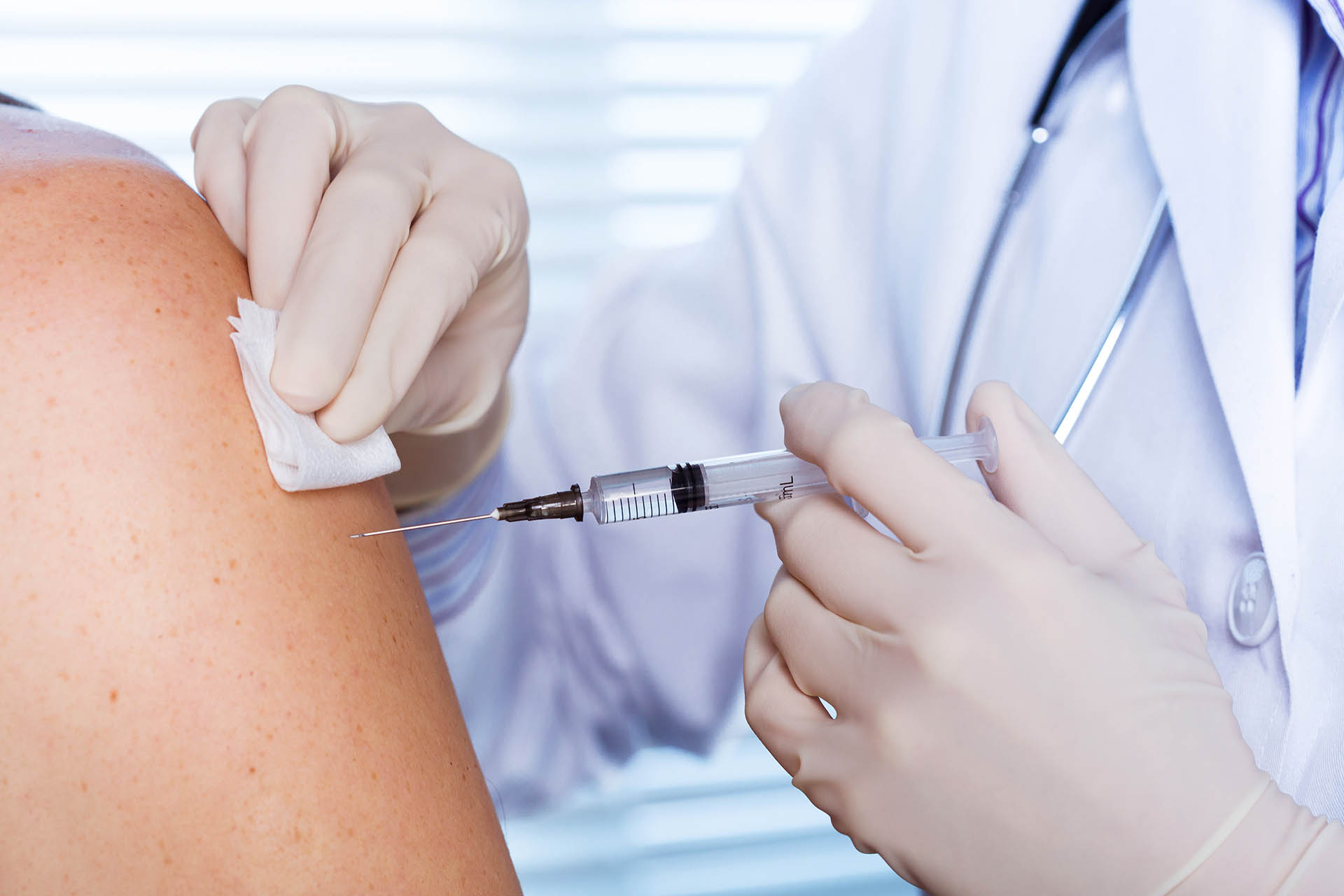
Vaccinations can increase the risk of cancer.
There is no scientific evidence that vaccinations increase the risk of cancer. On the contrary: some vaccinations can even reduce the risk of cancer by protecting against infections. Examples of this are the HPV vaccination, which can reduce the risk of cervical cancer and other cancers by over 95 percent, and the hepatitis B vaccination, which protects against an infection that can cause liver cancer.
Source:
Robert Koch Institute. (2023). Myth: "Vaccinations can cause cancer." - Vaccinations can protect against cancer [Fact sandwich]. Retrieved 2025-08-21 from https://www.rki.de/DE/Themen/Infektionskrankheiten/Impfen/Informationsmaterialien/Impfmythen/Sicherheit_Krebs.html?nn=16779384
Myth 5
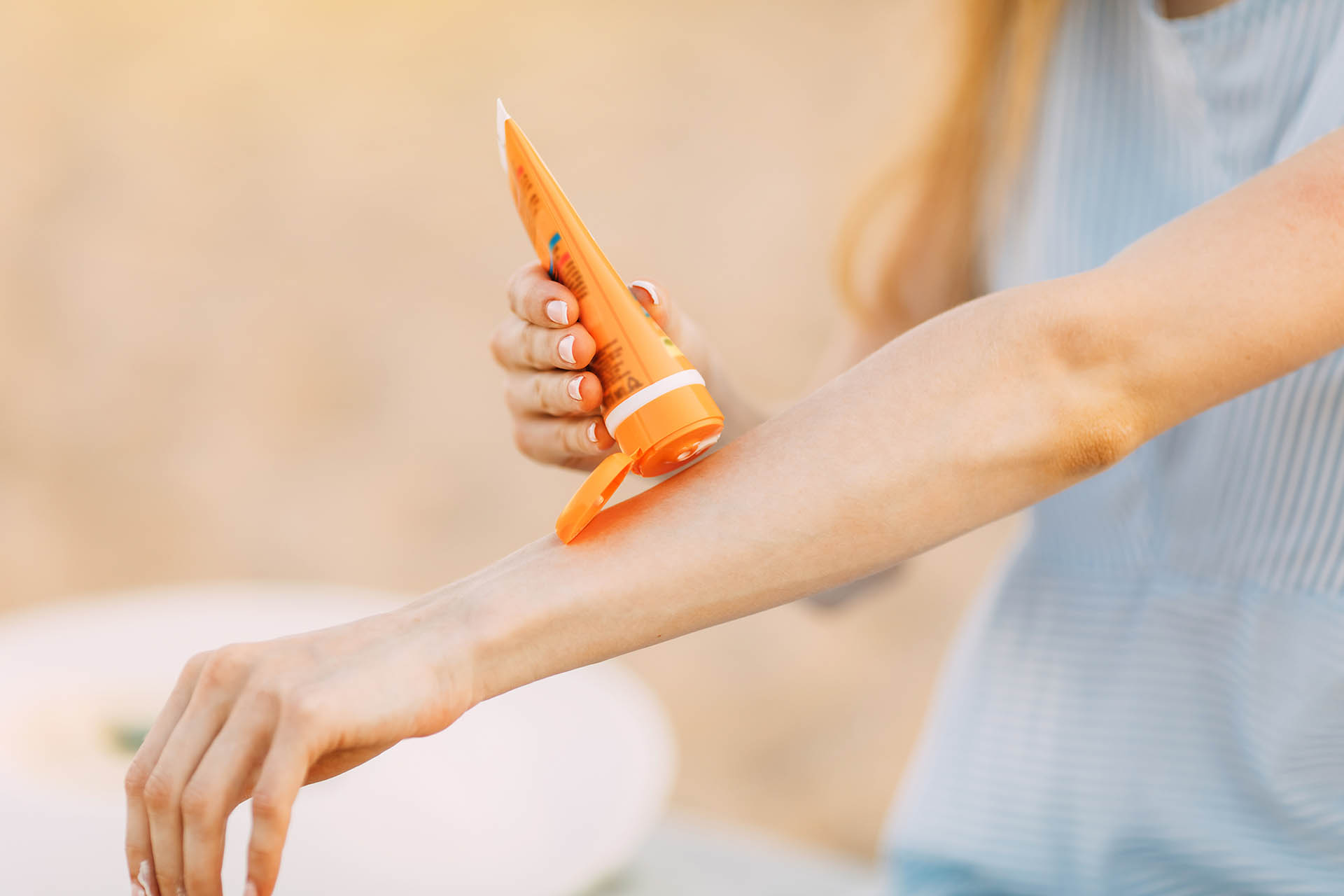
Sunscreen causes skin cancer through chemical substances.
The actual cancer risk lies in the UV radiation, not in the approved ingredients of the cream. On the contrary, sun creams reliably protect the skin from UV radiation through so-called UV filter substances. UV radiation has been scientifically proven to be the main cause of skin cancer. Sunscreen, together with clothing, headgear and shade, help to keep the skin healthy and significantly reduce the risk of cancer.
All sunscreens available in the EU are strictly tested. Only products with approved UV filters may be sold.
There is currently a trend to make your own sunscreen. However, this is strongly discouraged, as homemade products usually do not offer reliable protection.
Source:
Federal Institute for Risk Assessment (BfR). (2024). Sun cream and co.: Are there any health risks? [FAQ]. Retrieved August 21, 2025, from https://www.bfr.bund.de/fragen-und-antworten/thema/sonnencreme-und-co-gibt-es-gesundheitliche-risiken/
Myth 6
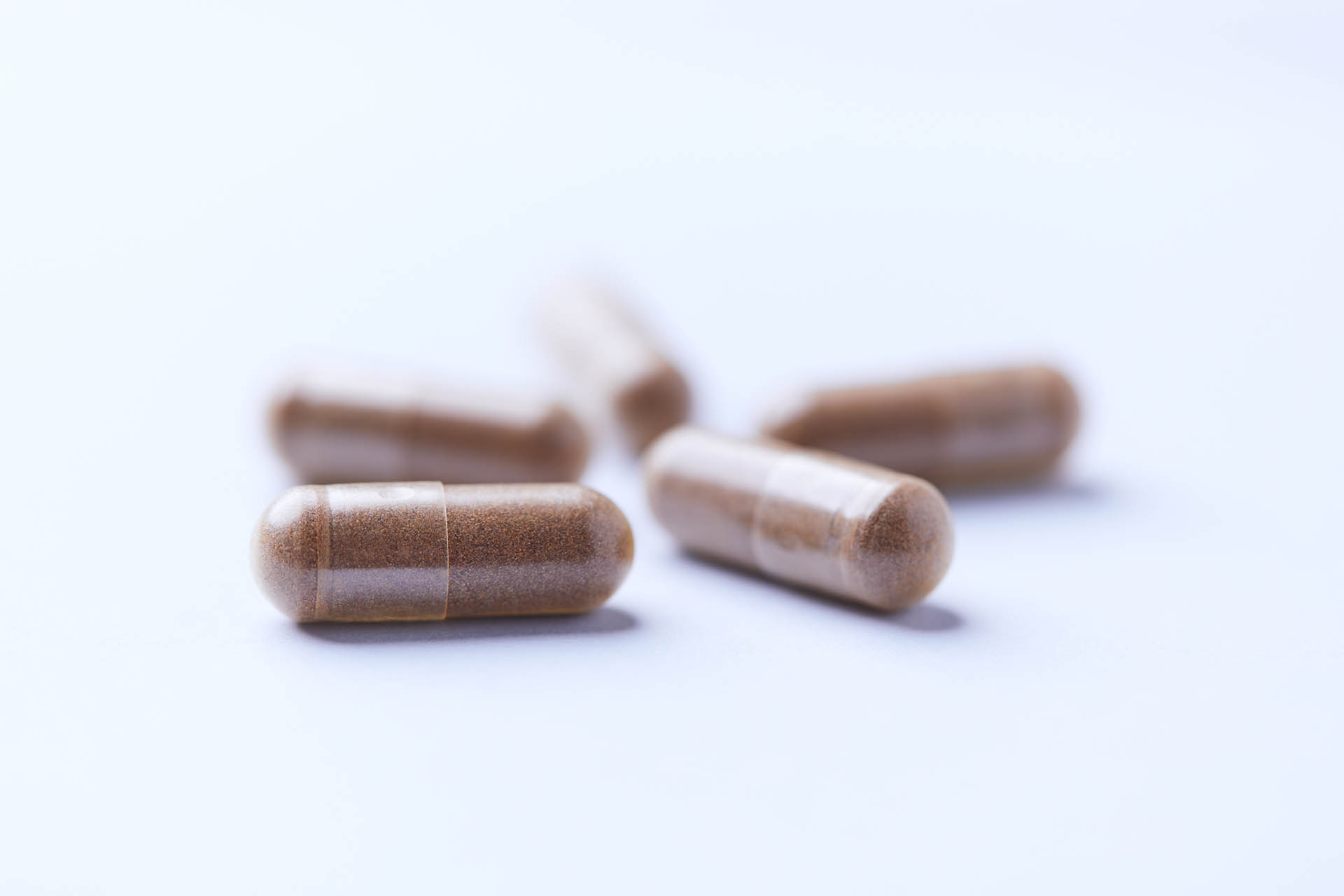
Food supplements prevent cancer.
Most healthy people can meet their nutritional requirements through food. Food supplements (e.g. micronutrients, protein powder, etc.) should only be taken in consultation with a doctor if a nutrient deficiency or illness has been diagnosed.
An efficient risk reduction with regard to the development of cancer cannot be achieved through dietary supplements, but rather through a healthy and varied diet - ideally combined with regular physical activity. The World Cancer Research Fund (WCRF) expressly does not recommend the use of dietary supplements for cancer prevention.
Source:
World Cancer Research Fund. (n.d.). Supplements and cancer. Retrieved August 21, 2025, from https://www.wcrf.org/preventing-cancer/topics/supplements-and-cancer/
Myth 7
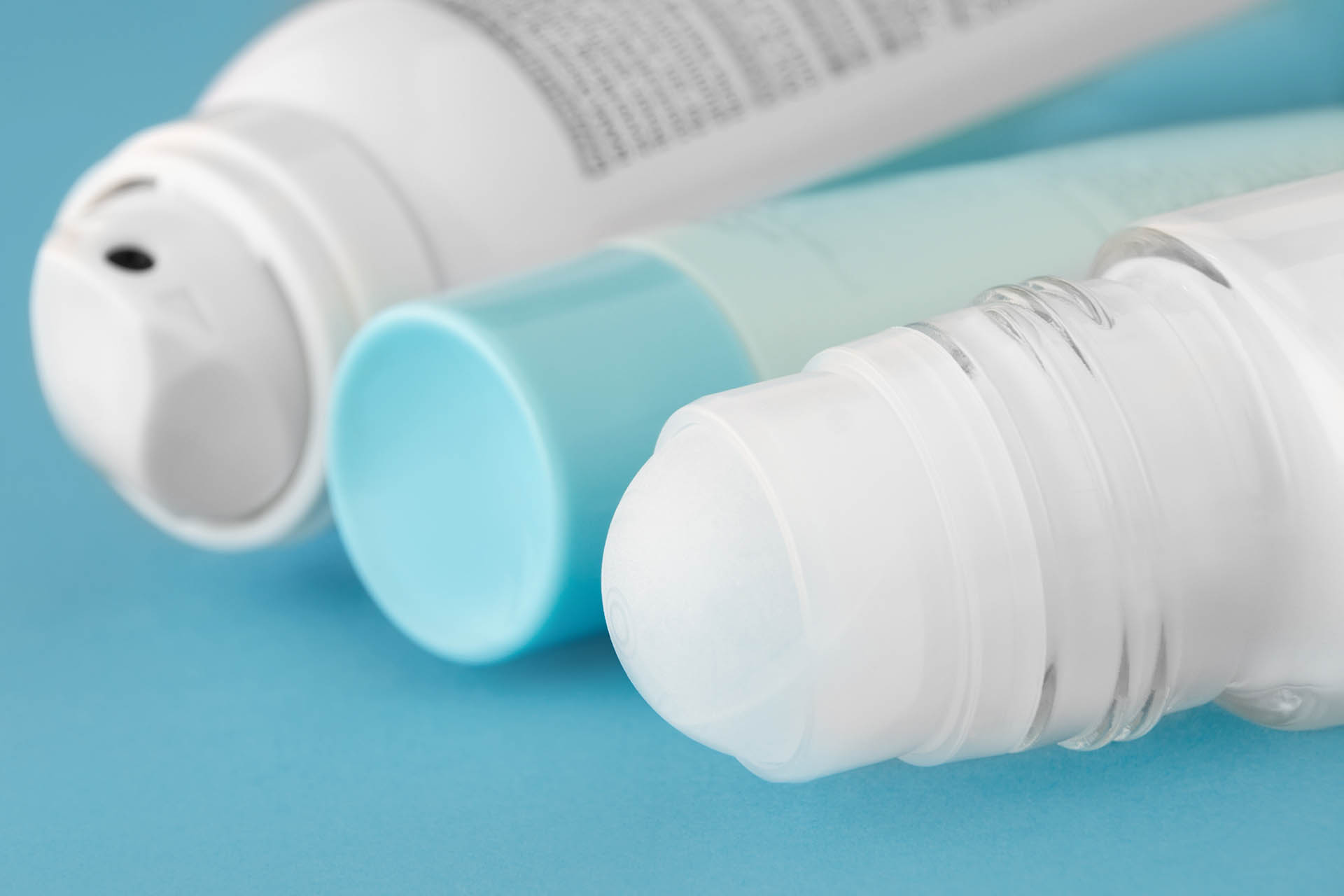
Aluminum in deodorants promotes breast cancer.
There are individual studies that indicate that women who use aluminum-containing deodorants very frequently (especially at a young age) have an increased risk of breast cancer and a higher concentration of aluminum in the breast tissue. However, these results are not statistically clear and therefore do not provide evidence of a causal relationship. Even if aluminum is found in breast tissue, experts say it is more likely to be a result of disturbed metabolic processes in cancerous tissue and not related to the use of deodorants. According to the Federal Institute for Risk Assessment, there is no evidence of a causal link.
Source:
Federal Institute for Risk Assessment (BfR). (2019). Reducing aluminium intake can minimize potential health risks (Statement No. 045/2019). https://doi.org/10.17590/20191115-135258
Myth 8
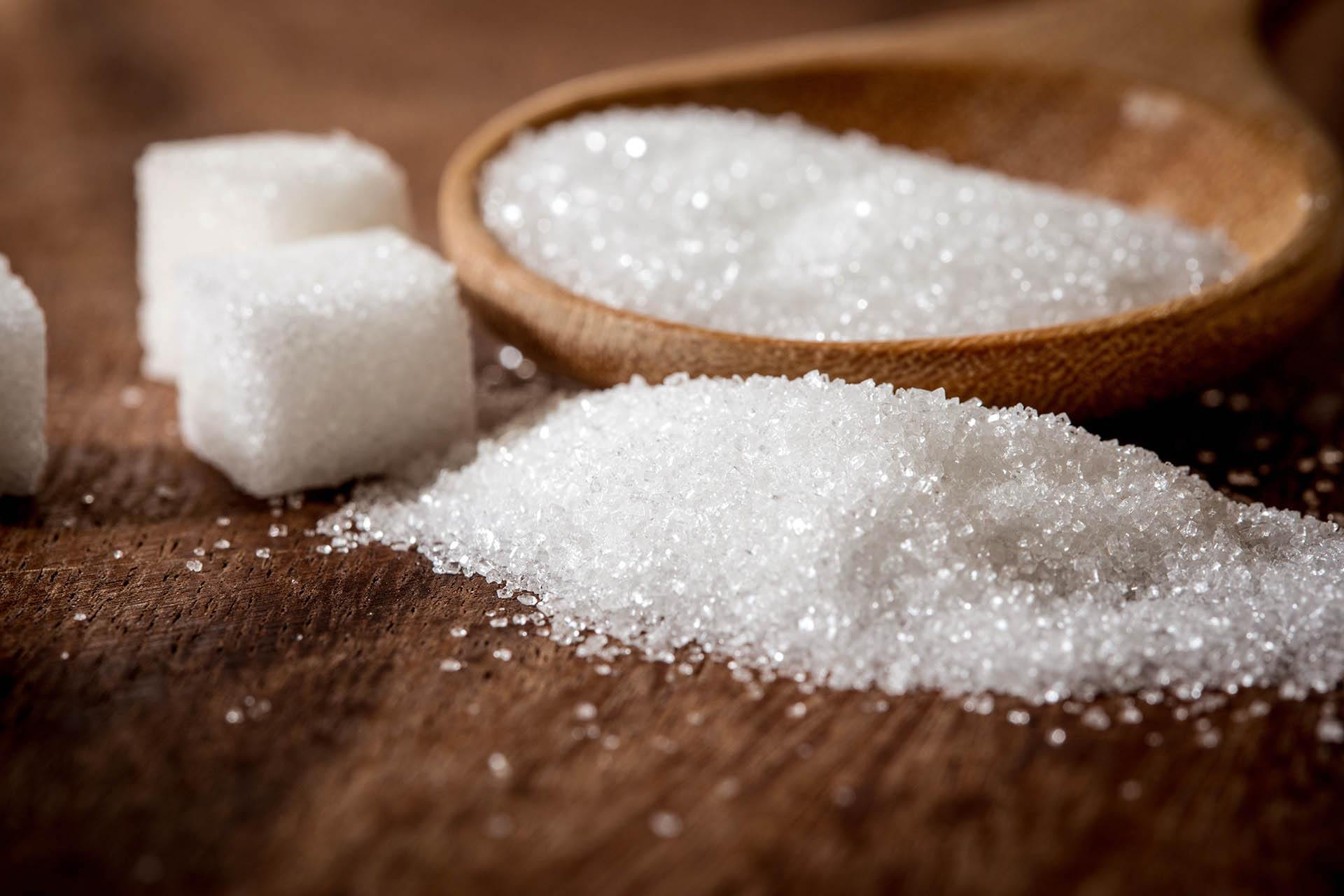
Sugar promotes the development of cancer cells.
All cells in our body need sugar to function. Although cancer cells have an altered metabolism and therefore absorb a lot of glucose, this does not mean that sugar triggers the development of cancer. You cannot prevent cancer or "starve" the tumor by avoiding sugar and other carbohydrates. The German Cancer Research Center also confirms this: Sugar in itself is not a trigger for cancer in healthy people. However, excessive sugar intake can contribute to the development of obesity, which can increase the risk of developing cancer.
Sources:
Ubago-Guisado, E., Rodriguez-Barranco, M., Ching-López, A., Petrova, D., Molina-Montes, E., Amiano, P., ... & González, C. A. (2021). Evidence update on the relationship between diet and the most common cancers from the European Prospective Investigation into Cancer and Nutrition (EPIC) study: A systematic review. Nutrients, 13(10), 1-27. https://doi.org/10.3390/nu13103592
World Cancer Research Fund. (2018). Diet, nutrition, physical activity and cancer: A global perspective. A summary of the Third Expert Report. https://www.wcrf.org/wp-content/uploads/2021/02/Summary-of-Third-Expert-Report-2018.pdf
Maddocks, O., Athineos, D., Cheung, E., Lee, P., Zhang, T., van den Broek, N. J. F., ... Vousden, K. H. (2017). Modulating the therapeutic response of tumors to dietary serine and glycine starvation. Nature, 544, 372-376. https://doi.org/10.1038/nature22056
O'Connor, C. M., & Adams, J. U. (2010). Essentials of cell biology. Cambridge, MA: NPG Education
Myth 9
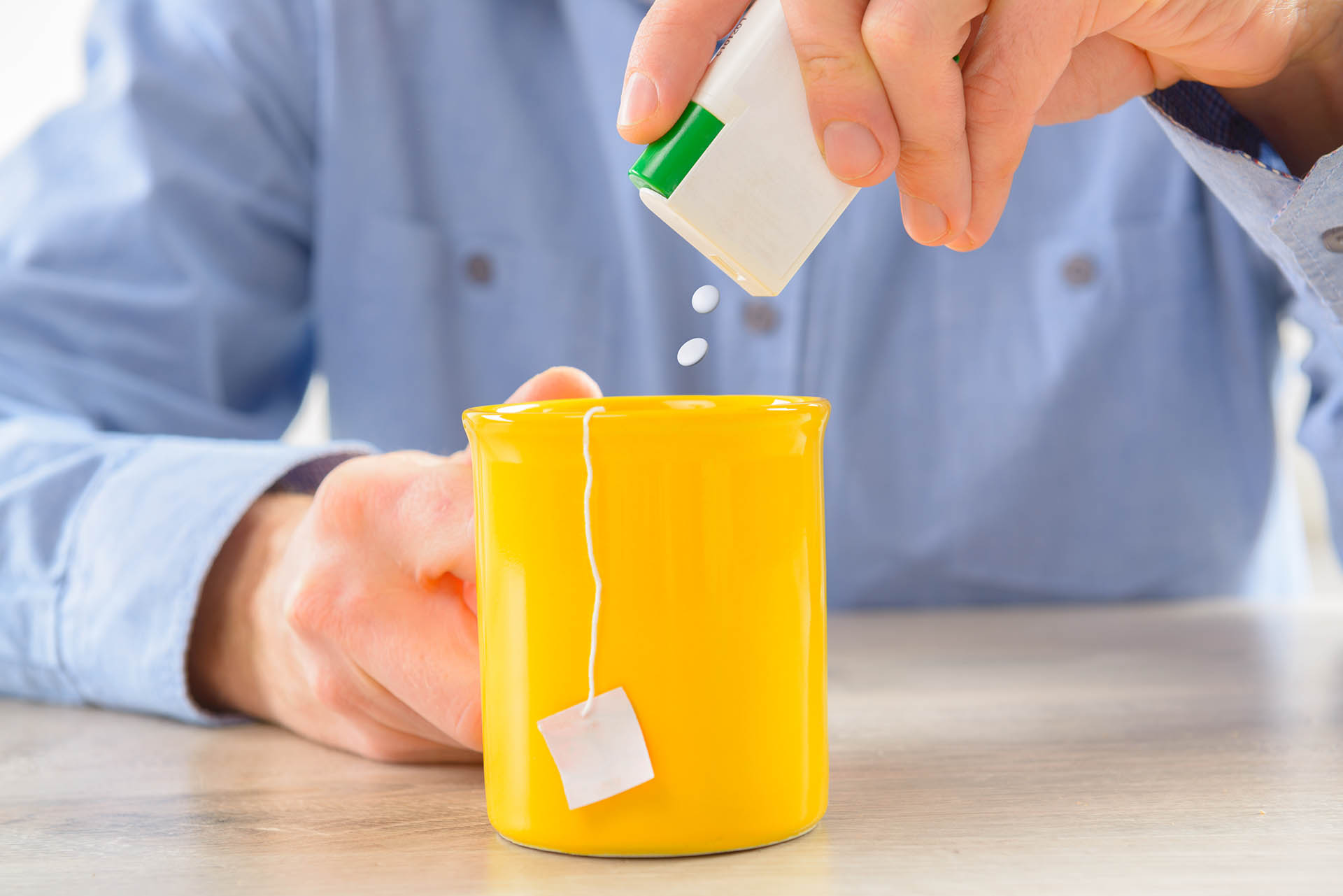
The sweetener aspartame is carcinogenic.
Aspartame is an artificial sweetener that has been used in many foods and drinks since the 1980s to make them sweet. This sweetener has been classified by the International Agency for Research on Cancer (IARC) as "possibly carcinogenic to humans" (Group 2B). However, there was only very limited evidence that aspartame causes cancer in humans. Animal studies also showed only weak evidence. According to the European Food Safety Authority (EFSA), there are no concerns as long as the recommended maximum amount of 40 mg of aspartame per kilogram of body weight per day is not exceeded. This means that an adult weighing 70 kg could drink around 14 cans of Diet Coke without exceeding the safe limit.
Sources:
International Agency for Research on Cancer. (2023). Summary of findings of the evaluation of aspartame at the International Agency for Research on Cancer (IARC) Monographs Programme's 134th Meeting, 6-13 June 2023 and the Joint FAO/WHO Expert Committee on Food Additives (JECFA) 96th meeting, 27 June-6 July 2023. https://www.iarc.who.int/wp-content/uploads/2023/07/Summary_of_findings_Aspartame.pdf
World Health Organization. (2023, July 14). Aspartame hazard and risk assessment results released [Joint news release]. https://www.who.int/news/item/14-07-2023-aspartame-hazard-and-risk-assessment-results-released
Federal Institute for Risk Assessment (BfR). (2025, July 15). Sweeteners in food - Selected questions and answers. https://www.bfr.bund.de/fragen-und-antworten/thema/suessungsmittel-in-lebensmitteln-ausgewaehlte-fragen-und-antworten/
Federal Institute for Risk Assessment (BfR). (2023, February 7). Alternatives to sugar: How much sweetener is in soft drinks? Statement No. 006/2023 (assessment status November 30, 2022). https://doi. org/10.17590/20230207-072340
Federal Institute for Risk Assessment. (2023). Alternatives to sugar: How much sweetener is in soft drinks? Statement No. 006/2023. https://www.bfr.bund.de/cm/343/alternativen-zu-zucker-wie-viel-suessungsmittel-steckt-in-erfrischungsgetraenken.pdf
Myth 10
Radiation from microwaves and cell phones causes cancer.
Cell phone radiation, microwave radiation and similar sources are non-ionizing radiation. Non-ionizing radiation does not have enough energy to penetrate deep into materials such as body tissue or directly cause changes in DNA.
In contrast, ionizing radiation (e.g. X-rays, gamma rays, radioactive radiation or UV-C radiation) has sufficient energy to penetrate deep into tissue and cause changes such as mutations in DNA. Such changes can damage cells and increase the risk of cancer. However, only if you are permanently exposed to a high dose of these rays.
Sources:
Feychting, M., Schüz, J., Toledano, M. B., Vermeulen, R., Auvinen, A., Harbo Poulsen, A., Deltour, I., Smith, R. B., Heller, J., Kromhout, H., Huss, A., Johansen, C., Tettamanti, G., & Elliott, P. (2024): Mobile phone use and brain tumor risk - COSMOS, a prospective cohort study. Environment international, 185, 108552. doi: 10.1016/j.envint.2024.108552
International Agency for Research on Cancer. (2016). Does non-ionizing radiation pose a cancer risk? In European Code Against Cancer - 12 ways to reduce cancer risks. Retrieved August 21, 2025 from https://cancer-code-europe.iarc.fr/index.php/de/12-moeglichkeiten/strahlung/1017-geht-von-nichtionisierender-strahlung-ein-krebsrisiko-aus-z-b-von-elektromagnetischen-feldern-aus-stromleitungen-mikrowellen-in-mikrowellenherden-radiowellen-durch-die-drahtlostechnologie-mobiltelefone-wlan-fernsehen-und-radio
Is it harmful to carry your cell phone in your pocket? Can it cause testicular cancer or infertility? Dr. Tobias Weinmann from the Institute for Occupational, Social and Environmental Medicine answers these questions in the video.
About the CCC MunichLMU
The Comprehensive Cancer Center MünchenLMU is the cancer center of the LMU Klinikum and is one of the leading oncological centers of excellence in Germany. It bundles the various competencies and disciplines of cancer medicine and forms the structural framework for the organ-specific cancer centers at LMU Klinikum. In addition to excellent patient care, research and prevention are at the heart of its work.
Contact us
Dr. rer. nat. Theres Fey
Coordinator, Comprehensive Cancer Center MunichLMU